
The War Against Caterpillars: Protecting Your SEQ Plants
 Trevor Dixon
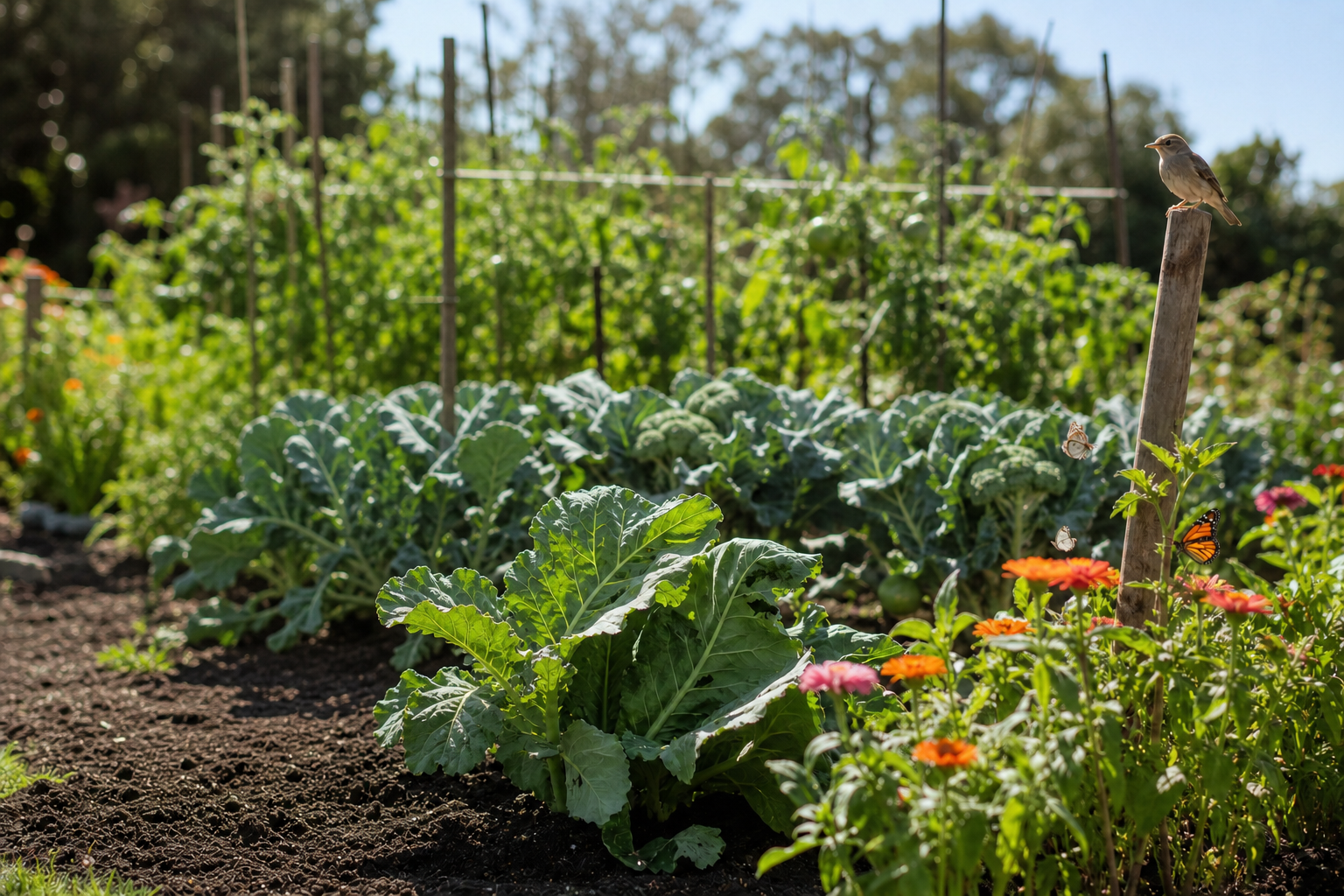
Introduction
Every gardener celebrates the arrival of butterflies. Their graceful flight and vibrant colours symbolise healthy ecosystems and flourishing landscapes. Yet before these winged marvels emerge, many spend part of their lives as caterpillars—voracious feeding machines capable of stripping plants almost overnight.
In South East Queensland, warm temperatures, high humidity, and long growing seasons create ideal conditions for numerous caterpillar species. While many are harmless or even beneficial as future pollinators, others become significant pests that attack vegetables, ornamentals, fruit trees, and native plants.
Winning the battle against destructive caterpillars begins with understanding their behaviour, recognising the warning signs, and responding before damage becomes overwhelming.
Understanding Caterpillars
A caterpillar represents the larval stage of butterflies and moths. This phase exists almost entirely for one purpose—to eat.
After hatching from eggs laid on suitable host plants, caterpillars begin feeding immediately. Their powerful mandibles consume leaves, buds, flowers, stems, and sometimes even fruit. As they grow, they moult several times before eventually forming a chrysalis or cocoon and transforming into an adult insect.
Not every caterpillar should be viewed as an enemy. Many native butterflies contribute enormously to biodiversity and pollination. However, certain species become serious garden pests, particularly when their populations expand rapidly. Some species attack vegetables and ornamentals, while others roll leaves together with silk or sever young seedlings at soil level.
Understanding the difference allows gardeners to protect valuable plants while preserving beneficial wildlife.
Why Caterpillars Thrive in SE Queensland
South East Queensland's subtropical climate offers caterpillars nearly everything they require.
Extended periods of warmth accelerate egg development and larval growth. Seasonal rainfall encourages fresh, tender foliage—the preferred food source for many species. Gardens rich in vegetables, flowering ornamentals, and fruit trees provide a continual supply of host plants.
After heavy summer rainfall, caterpillar populations often increase dramatically. Moths and butterflies lay hundreds of eggs, and within days hungry larvae begin feeding.
Unlike cooler climates where winter reduces insect activity, many pest caterpillars remain active for much of the year in SE Queensland.
Common Caterpillar Pests in SE Queensland
Several caterpillar species regularly trouble local gardens.
Cabbage White Caterpillars
These familiar green larvae attack brassicas including broccoli, cabbage, cauliflower, kale, and bok choy. Feeding begins on young leaves before progressing to larger foliage, leaving irregular holes and contaminated produce.
Armyworms
Armyworms feed primarily at night and can devastate lawns, pasture grasses, and some vegetable crops. During severe outbreaks they move collectively across landscapes, consuming everything in their path.
Leafrollers
Leafroller caterpillars create shelters by rolling leaves together with fine silk before feeding safely inside. Young trees and ornamental shrubs are particularly susceptible. Curled leaves often reveal their concealed presence.
Helicoverpa and Budworms
These notorious caterpillars attack tomatoes, capsicums, beans, corn, and many flowering ornamentals. Instead of feeding solely on foliage, they bore directly into buds, flowers, and fruit, causing extensive crop losses.
Recognising Caterpillar Damage
Caterpillar feeding leaves unmistakable evidence.
Common symptoms include:
- Large irregular holes in leaves
- Skeletonised foliage where only leaf veins remain
- Missing flower buds
- Chewed fruit
- Seedlings cut down overnight
- Rolled or webbed leaves
- Dark pellet-like droppings known as frass
Because many caterpillars feed during the evening and hide during daylight hours, gardeners often notice the damage long before they find the insects themselves.
Regular inspections beneath leaves and inside rolled foliage can reveal infestations early.
Plants Most at Risk
Vegetable gardens often experience the greatest damage.
Favourite targets include:
- Broccoli
- Cabbage
- Cauliflower
- Kale
- Lettuce
- Tomatoes
- Beans
- Sweet corn
- Capsicums
Fruit trees can also suffer, particularly citrus, stone fruit, and young avocado trees where foliage or developing fruit becomes vulnerable.
Many ornamentals—including roses, hibiscus, lilies, and flowering annuals—may also be attacked.
Even native species are not immune. Webbing caterpillars, for example, can rapidly defoliate bottlebrushes, tea trees, and melaleucas if left unchecked. Community observations from Australian gardeners consistently report severe defoliation of these native plants during outbreaks.
Natural Ways to Protect Your Garden
Nature provides remarkable allies in the fight against caterpillars.
Birds consume enormous numbers of larvae throughout spring and summer while feeding their young. Predatory insects such as assassin bugs, lacewings, spiders, and parasitic wasps also help suppress caterpillar populations.
Gardeners can strengthen these natural defences by:
- Planting nectar-rich flowers
- Avoiding unnecessary insecticide applications
- Providing habitat for birds
- Encouraging beneficial insects
- Maintaining healthy soil
Physical barriers remain highly effective.
Fine insect exclusion netting prevents butterflies and moths from laying eggs on susceptible crops. Hand-removing caterpillars and egg clusters during routine inspections also significantly reduces future damage.
Monitoring and Early Intervention
The most successful gardeners rarely wait until damage becomes severe.
Inspect vulnerable plants weekly, paying close attention to:
- New shoots
- Leaf undersides
- Flower buds
- Developing fruit
Tiny eggs are often easier to remove than fully grown caterpillars.
Morning inspections are particularly valuable because many caterpillars remain relatively inactive after feeding overnight.
Maintaining detailed observations throughout the growing season helps identify recurring problem periods and allows preventative measures before populations explode.
Conclusion
The war against caterpillars is not about eliminating every butterfly or moth from the garden. Instead, it is about recognising the distinction between healthy biodiversity and destructive infestations.
By understanding which caterpillars pose genuine threats, identifying damage early, and encouraging natural predators, gardeners throughout South East Queensland can dramatically reduce plant losses without compromising the ecological richness of their landscapes.
A balanced garden is ultimately the strongest defence. Healthy plants, thriving beneficial insects, attentive observation, and timely intervention create an environment where destructive caterpillars remain manageable while nature continues to flourish in all its extraordinary diversity.


