Mulching and Pest Control: A Winning Strategy for SEQ Gardeners
 Trevor Dixon
Introduction
In the lush and often unpredictable gardens of South‑East Queensland, keeping pests at bay can feel like a constant battle. Mulch, often celebrated for moisture retention and soil enrichment, holds hidden potential as a formidable ally against garden pests. When used wisely, it becomes more than a soil blanket — it becomes part of a broader strategy to foster resilient, healthy gardens.
How Mulch Affects the Garden Ecosystem
Mulch as a Protective Soil Blanket
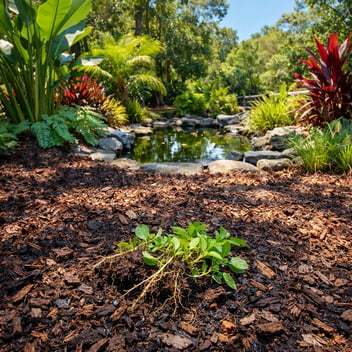
Mulch forms a protective layer over exposed soil, shielding roots from scorching sun, heavy rain, and temperature swings. This buffer keeps the soil’s surface stable — and plants less stressed.
Microclimates under Mulch: Moisture, Temperature, and Shelter
Beneath the mulch, moisture is conserved, evaporation slows, and the soil maintains a gentler, more consistent temperature. This stable ground fosters stronger root systems — roots less vulnerable to drought‑stress or heat shock.
Mulch as a Pest Management Tool
Creating Barriers Against Soil‑Dwelling Pests
A well‑applied mulch can physically block some pests from reaching root zones. For example, certain insects and slugs might find it harder to crawl through a thick mulch layer to invade delicate seedlings.
Encouraging Beneficial Insects and Garden Allies
Organic mulches support beneficial soil life: earthworms, predatory insects, and microbial communities that keep pests in check. With mulch, you invite the good guys — natural pest controllers — into your garden ecosystem.
Choosing the Right Mulch for Pest Control
Organic Mulches — Pros and Cons
Mulches like bark chips, straw, or compost enrich the soil as they decompose. They promote soil health and attract beneficial fauna. But some organic mulches can harbor pests if they remain too damp or compacted.
Inorganic or Deterrent Mulches: When They Make Sense
Some mulches — such as certain aromatic wood barks — may repel insects and deter critters. In dry or pest‑prone spots, these mulches can be an effective component of a low‑pesticide garden strategy.
Best Practices: How to Mulch to Minimize Pest Risks
Correct Mulch Depth and Placement
A moderate layer — neither too thin nor too thick — is key. Over‑deep mulch can create overly damp, cool conditions hospitable to slugs, fungi, or rodents.
Keeping Mulch Away from Trunks and Stems
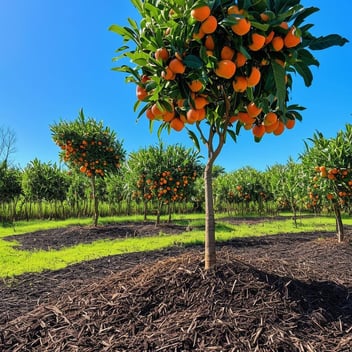
Ensure mulch doesn’t pile up against tree trunks or plant stems — that “mulch volcano” invites rot, pests, and fungal issues.
Regular Inspection and Replenishment
Regularly assessing mulch condition helps you respond quickly if it becomes a haven for pests. Fluff it up, thin it out, or add fresh mulch depending on how the garden ecosystem looks.
Common Pitfalls: When Mulch Backfires
Over‑Mulching and Moisture‑Related Issues
An overly thick, compacted mulch layer can suffocate roots, limit soil aeration, and trap excessive moisture — ideal for fungal diseases or root rot.
Mulch Providing Shelter to Pests Instead of Deterring Them
If mulch stays damp and dense, the very creatures you hope to exclude — slugs, snails, rodents — may use it as a hideout. Not all mulch is a deterrent; some can backfire if mismanaged.
Poor Mulch Choices — What to Avoid
Avoid fresh manure, unaged compost, or materials that resist water infiltration. These can harbor weed seeds, pests, or create hydrophobic barriers that interfere with water reaching roots.
Supplementary Pest‑Smart Gardening Techniques
Companion Planting and Habitat for Beneficial Insects
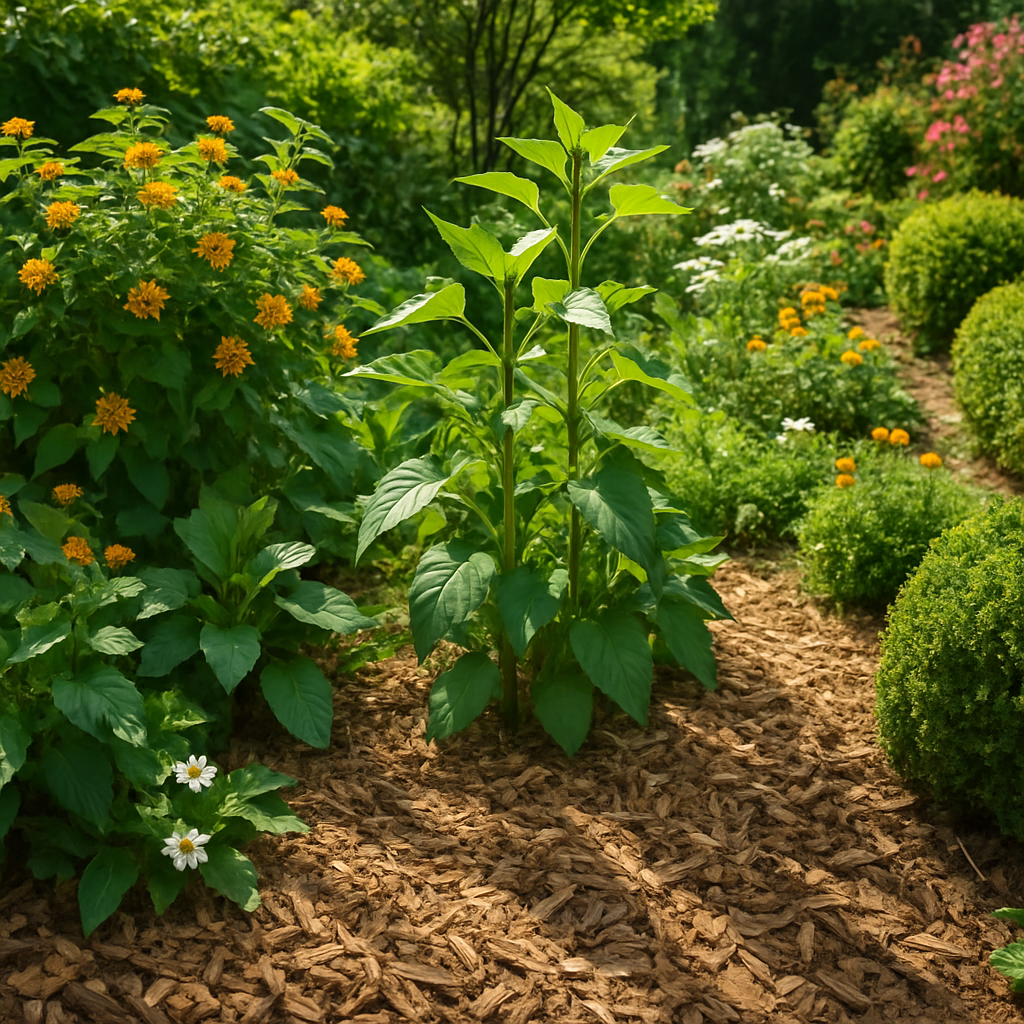
Mulch works best alongside companion planting that attracts predatory insects or creates biodiversity in the garden. Combined, they form a living, self-regulating pest defense.
Watering Practices and Airflow to Avoid Dampness
Avoid overwatering under dense mulch. Use drip or soaker irrigation so water goes straight to root zones rather than lingering on the mulch surface. Ensure adequate airflow to prevent damp conditions that attract pests.
Integrating Mulch with Good Garden Hygiene
Regularly clean up debris, remove diseased plants promptly, and rotate mulch when necessary. A tidy garden amplifies mulch’s protective role and reduces pest harborage.
Conclusion
Mulch isn’t just a soil dressing — when thoughtfully applied and maintained, it becomes a dynamic component of garden pest management. For SEQ gardeners seeking an eco‑friendly, low‑chemical approach, mulch offers moisture regulation, shelter for beneficial soil life, and a physical barrier against unwelcome pests. Used judiciously and in concert with good garden hygiene and biodiversity practices, mulching becomes a cornerstone of a thriving, resilient garden.