Designing a Bush Tucker Garden with SEQ Natives
 Trevor Dixon
Introduction
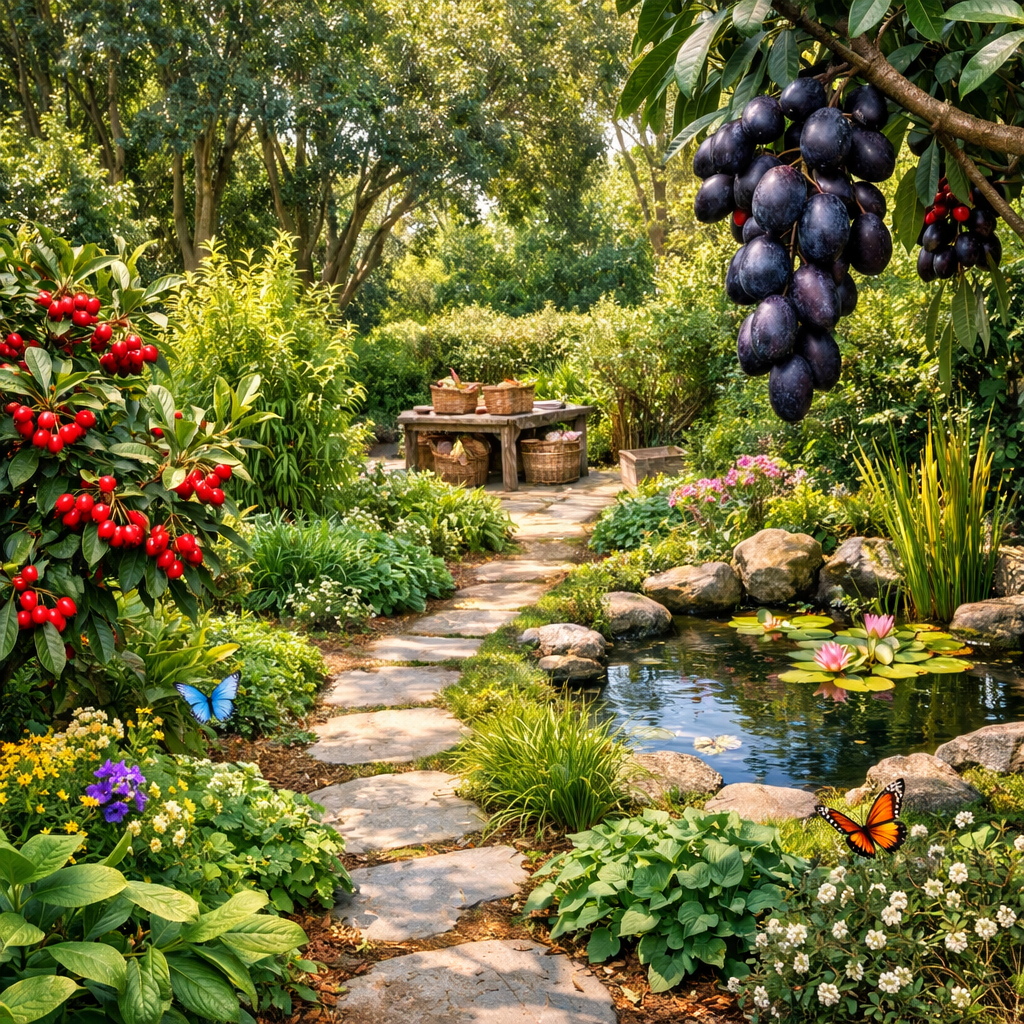
There is something profoundly grounding about stepping into a garden that feeds both body and spirit. A bush tucker garden is not merely productive—it is evocative. It tells a story. In South East Queensland, where climate and biodiversity converge in abundance, cultivating edible native plants becomes an act of both creativity and stewardship.
This is gardening reimagined. Purposeful. Resilient. Delicious.
Understanding Bush Tucker and Its Cultural Significance
Bush tucker is far more than a collection of edible plants. It is a living archive of knowledge, refined over tens of thousands of years. Indigenous Australians developed an intimate understanding of seasonal cycles, plant properties, and ecological relationships—knowledge that remains deeply relevant today.
These plants were not simply food. They were medicine, tools, and cultural anchors. From leaves brewed into healing infusions to fruits rich in nutrients, bush foods sustained communities across diverse landscapes.
Designing a bush tucker garden is, therefore, an opportunity to honour this legacy. It calls for respect, curiosity, and thoughtful plant selection.
Choosing the Right Bush Tucker Plants for SEQ
Fruit-Bearing Natives
South East Queensland’s subtropical climate supports an impressive array of edible native fruits. Consider species such as:
- Riberry, a glossy-leaved rainforest shrub producing aromatic berries with spice-like notes
- Davidson plum, prized for its tart intensity
- Native finger lime, bursting with citrus pearls
These plants thrive in local conditions, having evolved to handle the region’s humidity, rainfall variability, and soil diversity.
Edible Herbs and Greens
Complement fruiting plants with herbaceous layers:
- Lemon myrtle, renowned for its intensely fragrant leaves
- Native bush mint and river mint, offering culinary versatility
- Warrigal greens, a hardy substitute for spinach
Many of these species require minimal water and space, making them ideal for both expansive gardens and compact urban settings.
Planning Your Bush Tucker Garden Design
A compelling bush tucker garden is both productive and visually cohesive. The key lies in thoughtful layering.
Zoning for Function
Divide the garden into purposeful zones:
- High-use herbs near pathways or kitchens
- Fruiting shrubs in accessible harvesting areas
- Shade-tolerant species beneath taller trees
Layering the Landscape
Mimic natural ecosystems:
- Canopy layer with larger trees such as macadamia
- Mid-layer shrubs like midyim berry
- Groundcovers and edible greens forming a living mulch
This stratification enhances productivity while reducing maintenance.
Soil Preparation and Planting Techniques
SEQ soils range from sandy coastal profiles to heavier clays inland. Fortunately, native bush foods are inherently adaptable.
Begin with gentle soil improvement:
- Incorporate organic matter to enhance structure
- Avoid excessive fertilisers—many natives prefer lean conditions
Plant with precision:
- Dig wide, shallow holes to encourage lateral root spread
- Backfill with native soil blends
- Water in thoroughly to eliminate air pockets
A simple approach. Highly effective.
Watering, Mulching, and Seasonal Care
Newly planted specimens require attentive watering. Once established, however, most bush tucker plants demonstrate remarkable drought tolerance.
Mulch generously. This single act transforms soil:
- Conserves moisture
- Suppresses weeds
- Regulates temperature
Water deeply but infrequently. Encourage roots to explore. Let the plant adapt.
Harvesting and Using Your Bush Tucker
The joy of a bush tucker garden lies in the harvest.
Pick fruits at peak ripeness. Crush leaves between fingers and inhale their aromatic oils. Taste boldly.
From riberry chutneys to lemon myrtle-infused desserts, these ingredients introduce unique flavour profiles rarely found in conventional gardens.
This is not just gardening. It is culinary exploration.
Creating a Thriving Ecosystem
A bush tucker garden is never solitary. It invites life.
Native plants attract pollinators, birds, and beneficial insects, forming a dynamic ecological web.
Design with intention:
- Include flowering species for year-round nectar
- Provide shelter through dense shrubs
- Introduce water sources where possible
The result is a garden that sustains itself. Alive. Balanced.
Conclusion
Designing a bush tucker garden with SEQ natives is an exercise in harmony. Between culture and cultivation. Between nourishment and nature.
It offers resilience. Beauty. Purpose.
And perhaps most importantly—it reconnects the garden to the land it belongs to.