Using Companion Planting to Reduce Disease Risk in Subtropical Gardens
 Trevor Dixon
Introduction
Subtropical gardens are among the most productive and beautiful landscapes in the world. Warm temperatures, abundant rainfall and extended growing seasons encourage vigorous plant growth almost year-round. Unfortunately, these same conditions also provide an ideal environment for fungal diseases, bacterial infections and insect vectors that spread plant viruses.
Rather than relying solely on chemical treatments, many gardeners are rediscovering one of horticulture's oldest techniques—companion planting. By thoughtfully combining compatible plants, gardeners can encourage biodiversity, improve plant resilience and create conditions that naturally reduce disease pressure. While companion planting is not a cure-all, it works best as part of an integrated gardening approach alongside good sanitation, crop rotation and healthy soil management.
What Is Companion Planting?
Companion planting is the practice of growing different plant species together so they benefit one another. Some companions attract pollinators, others improve soil fertility, while certain aromatic herbs help confuse insect pests or attract their natural predators.
Unlike monoculture, where large numbers of identical plants create ideal conditions for pests and diseases, companion planting increases biological diversity. This diversity makes it more difficult for many pests to locate their preferred hosts while encouraging a balanced garden ecosystem.
Although often associated with vegetable gardens, companion planting benefits ornamentals, fruit trees, herbs and native gardens alike.
How Companion Plants Help Reduce Disease
Improving Airflow and Reducing Humidity
Many fungal diseases flourish where leaves remain damp for extended periods.
Thoughtful companion planting encourages better spacing and layered planting, allowing improved air circulation around susceptible plants. Faster drying foliage means fewer opportunities for fungal spores to germinate.
Attracting Beneficial Insects
Many diseases begin with insects.
Aphids, whiteflies, thrips and leafhoppers transmit numerous plant viruses. Companion flowers such as alyssum, calendula and dill attract ladybirds, hoverflies, lacewings and parasitic wasps that naturally suppress these insect populations.
Supporting Healthy Soil Microorganisms
Healthy soil supports healthy plants.
Nitrogen-fixing legumes, organic mulches and diverse root systems feed beneficial soil microbes that compete with disease-causing organisms. Strong root systems also help plants recover more quickly from environmental stress.
The Best Companion Plants for Disease Prevention
Basil
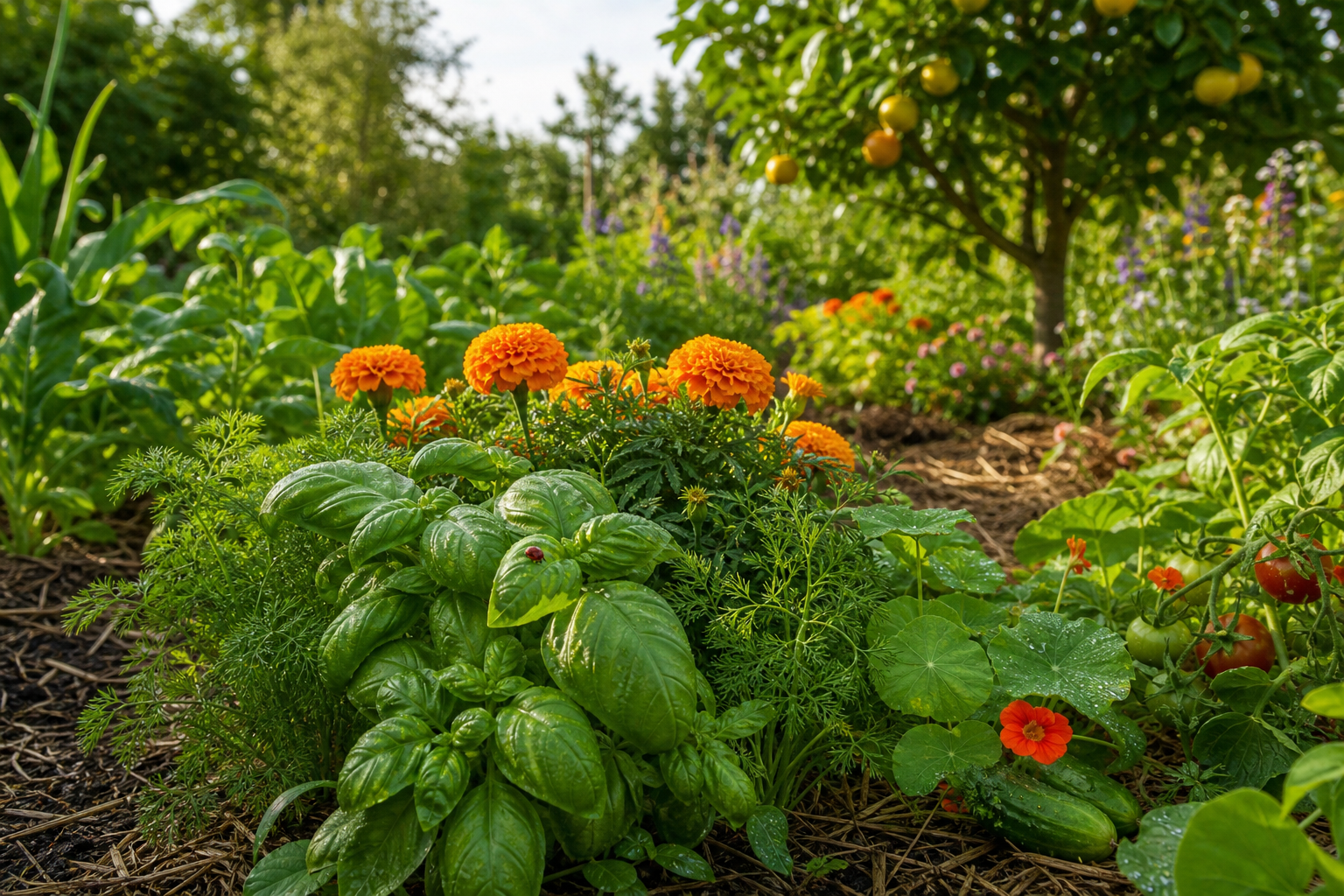
Basil is one of the most celebrated companion plants. Its aromatic foliage may help confuse insect pests while attracting beneficial pollinators. It pairs exceptionally well with tomatoes and peppers.
Marigolds
Marigolds brighten the garden while contributing to healthier growing conditions.
Their roots can help suppress certain soil pests, while their flowers attract beneficial insects and pollinators. They are excellent companions for many vegetables.
Nasturtiums
These colourful flowers serve multiple purposes.
They attract pollinators, provide ground cover that conserves soil moisture and often act as trap crops by drawing aphids away from vegetables.
Dill, Fennel and Alyssum
Umbel flowers such as dill provide nectar for parasitic wasps and predatory insects that naturally reduce pest populations.
Sweet alyssum produces nectar over an extended period, making it one of the finest insectary plants available.
Legumes
Beans and peas enrich soil by fixing atmospheric nitrogen through symbiotic bacteria.
Improved soil fertility encourages vigorous growth and naturally increases plant resilience against disease.
Companion Planting Combinations for Subtropical Gardens
Tomatoes and Basil
A timeless pairing.
Basil complements tomatoes by attracting beneficial insects and contributing aromatic diversity within the planting area. Both enjoy similar growing conditions.
Cucumbers and Nasturtiums
Nasturtiums spread beneath cucumbers, shading soil while attracting pollinators and acting as sacrificial hosts for aphids.
Brassicas and Dill
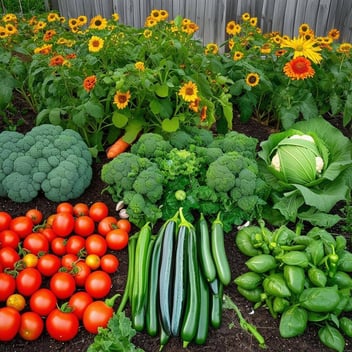
Cabbage, broccoli and cauliflower benefit from nearby dill, whose flowers attract beneficial insects that prey upon many common brassica pests.
Citrus with Flowering Borders
Surround citrus trees with alyssum, calendula, native daisies or flowering herbs to encourage beneficial insects throughout the growing season.
A diverse understorey creates a more resilient orchard ecosystem.
Mistakes to Avoid
Companion planting succeeds when it is thoughtfully planned.
Avoid overcrowding. Even beneficial companions become problematic when dense foliage traps humidity around susceptible plants.
Never group species that share the same major diseases. For example, tomatoes, potatoes and eggplants belong to the same family and can share many pests and diseases, making careful spacing and crop rotation especially important.
Equally important is matching plants with similar sunlight, water and soil requirements. Successful companions should support—not compete with—one another.
Creating a Disease-Resistant Garden Ecosystem
Disease management is rarely about a single solution.
Instead, success comes from layering multiple natural strategies:
- Build healthy, biologically active soil.
- Grow a wide diversity of plants.
- Rotate vegetable crops each season.
- Remove diseased material promptly.
- Encourage beneficial insects with flowering companions.
- Monitor plants regularly for early symptoms.
- Water the soil rather than the foliage.
This integrated approach creates an ecosystem where plants are healthier, pests are naturally regulated and disease outbreaks become less frequent.
Conclusion
Companion planting demonstrates one of nature's simplest truths: plants are stronger together than they are alone.
Rather than viewing the garden as a collection of individual specimens, successful gardeners cultivate interconnected ecosystems where flowers, herbs, vegetables and fruit trees support one another. The result is more than fewer diseases. It is a garden alive with biodiversity, pollinators, beneficial insects and resilient plants capable of thriving through the challenges of a subtropical climate.
When combined with healthy soil, good hygiene and thoughtful garden design, companion planting becomes one of the most rewarding and environmentally responsible methods for reducing disease risk naturally.