Turf Lawn Myths Debunked: What Really Works
 Trevor Dixon

Why Lawn Myths Refuse to Die
Every neighbourhood has one.
The person who insists the lawn must be watered every evening. The neighbour who mows as short as possible because "that's what the professionals do." The family member who believes pouring on extra fertiliser will magically create emerald-green grass.
Some lawn myths have survived for generations. Others spread rapidly across social media, promising miracle results with almost no effort.
Unfortunately, grass doesn't respond to folklore.
Healthy turf is built on biology, soil science, and proper maintenance—not shortcuts. By separating myth from reality, you can save time, reduce costs, and enjoy a lawn that genuinely thrives rather than merely survives.
Myth One: Water Your Lawn Every Day
Daily watering seems logical. After all, plants need water.
The problem is how grass responds.
Frequent, shallow watering encourages roots to remain close to the soil surface where moisture disappears quickly. The result is turf that becomes dependent on constant irrigation and struggles during hot or dry weather.
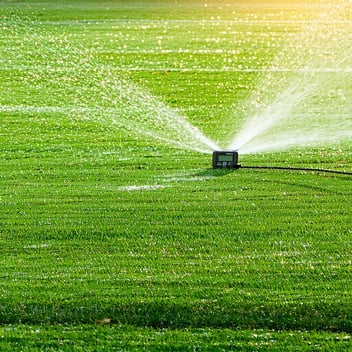
The better approach is deep, infrequent watering. This encourages roots to chase moisture deeper into the soil profile, producing stronger, more drought-resistant turf. Watering early in the morning also minimises evaporation and reduces the likelihood of fungal diseases.
Myth Two: Mowing Short Means Less Mowing
Many homeowners believe cutting grass extremely short means they can mow less often.
In reality, scalping is one of the quickest ways to weaken a lawn.
Removing too much leaf area limits the plant's ability to photosynthesise. Soil becomes exposed to direct sunlight, moisture evaporates more rapidly, and weeds gain an opportunity to establish.
Healthy lawns follow the one-third rule: never remove more than one-third of the leaf blade in a single mow. Keeping grass at its recommended height promotes deeper roots, denser growth, and better weed suppression.
Myth Three: More Fertiliser Means Greener Grass
Fertiliser is beneficial.
Too much fertiliser is not.
Excess nutrients can scorch grass, stimulate weak, lush growth, increase disease pressure, and even contribute to nutrient runoff into waterways.
Different turf varieties and different seasons require different nutrient programs. Slow-release fertilisers applied according to soil needs deliver steady growth without overwhelming the lawn.
Before applying any fertiliser, understanding your soil is far more valuable than simply adding more nutrients.
Myth Four: Grass Clippings Cause Thatch
This myth has been repeated for decades.
Fortunately, it is largely incorrect.
Fresh grass clippings consist mostly of water and decompose rapidly, returning valuable organic matter and nitrogen back into the soil. True thatch develops from slowly decomposing stems, stolons, rhizomes, and roots—not ordinary lawn clippings.
Mulch mowing is actually beneficial for most lawns, provided mowing is performed regularly and excessive amounts of grass are not left behind.
Myth Five: Brown Grass Means Dead Grass
A brown lawn can certainly look alarming.
However, appearance alone does not tell the full story.
Many warm-season turf varieties enter dormancy during drought or cold conditions. They temporarily stop growing to conserve energy. Once moisture and favourable temperatures return, healthy roots often produce fresh green growth without requiring replacement.
Before ripping out brown turf, inspect the root system and crown. If these remain healthy, patience and proper watering may be all that is required.
Myth Six: Weeds Can Be Controlled with Weed and Feed Alone
Many products promise a simple one-step solution.
Reality is considerably more nuanced.
Blanket weed and feed applications often treat weeds that do not exist while exposing healthy turf to unnecessary herbicides. Some weed species also require specialised treatments rather than general-purpose products.
The most effective weed control strategy begins with maintaining dense, vigorous turf through correct mowing, irrigation, fertilisation, and soil care. Healthy lawns naturally outcompete many weeds before they become established. Spot treatment should be reserved for genuine infestations.
Myth Seven: Aeration Is Only for Golf Courses
Aeration is sometimes viewed as an unnecessary luxury.
Nothing could be further from the truth.
Foot traffic, rainfall, machinery, and everyday use gradually compact soil. Compacted ground restricts air movement, water infiltration, and root development.
Core aeration relieves compaction, improves drainage, stimulates beneficial microbial activity, and allows nutrients to penetrate deeper into the root zone.
Many residential lawns benefit from periodic aeration, particularly those growing on clay soils or experiencing heavy use.
Lawn Care Practices That Really Work
While lawn myths come and go, several proven principles consistently deliver excellent results.
Build Healthy Soil
Healthy soil supports healthy turf. Incorporate organic matter, monitor pH, and encourage beneficial microbial activity through sensible lawn management.
Water Deeply
Encourage roots to grow downwards by watering thoroughly and less frequently rather than applying light daily irrigation.
Mow Correctly
Maintain the recommended mowing height for your turf variety, sharpen mower blades regularly, and avoid removing excessive leaf material.
Feed Wisely
Apply fertiliser according to seasonal growth patterns and actual nutrient requirements rather than guessing.
Monitor Regularly
Inspect your lawn frequently for signs of pests, diseases, compaction, nutrient deficiencies, or emerging weeds. Small problems are much easier to solve than major infestations.
Final Thoughts
The healthiest lawns are rarely the result of miracle products or old gardening tales.
They are built through consistent care, informed decisions, and an understanding of how turfgrass naturally grows.
Forget the myths.
Instead, focus on deep watering, sensible mowing, balanced nutrition, healthy soil, and preventative maintenance. These evidence-based practices create lawns that remain greener, stronger, and more resilient through every season.
When science replaces superstition, your lawn rewards you with lasting beauty.