Tools and Techniques for Hybridising Plants in Your Backyard
 Trevor Dixon
Introduction
There is something profoundly satisfying about creating a plant that has never existed before. A flower with richer colour. A shrub with improved resilience. A vegetable that combines exceptional flavour with vigorous growth. Plant hybridisation transforms ordinary gardening into an engaging blend of science, observation and creativity.
Contrary to popular belief, hybridisation is not reserved for professional breeders or research institutions. With a modest collection of tools, careful planning and a willingness to learn, backyard gardeners can begin producing their own unique plant varieties. Every successful hybrid starts with curiosity, followed by patience, precision and a little botanical ingenuity.
Understanding Plant Hybridisation
Hybridisation is the deliberate crossing of two compatible plants to produce offspring that inherit characteristics from both parents. Unlike vegetative propagation, which produces identical clones, hybridisation creates genetically unique seedlings. Every seed represents a new combination of inherited traits.
The objective may vary from gardener to gardener. Some seek larger flowers or longer flowering seasons. Others aim for improved disease resistance, drought tolerance or more compact growth habits. Regardless of the goal, hybridisation provides an opportunity to influence the future characteristics of cultivated plants through careful selection.
Because every seedling is genetically different, no two hybrids are exactly alike. This unpredictability is part of the excitement. Hidden within a tray of seedlings may be an exceptional new plant waiting to be discovered.
Essential Tools for Successful Hybridisation
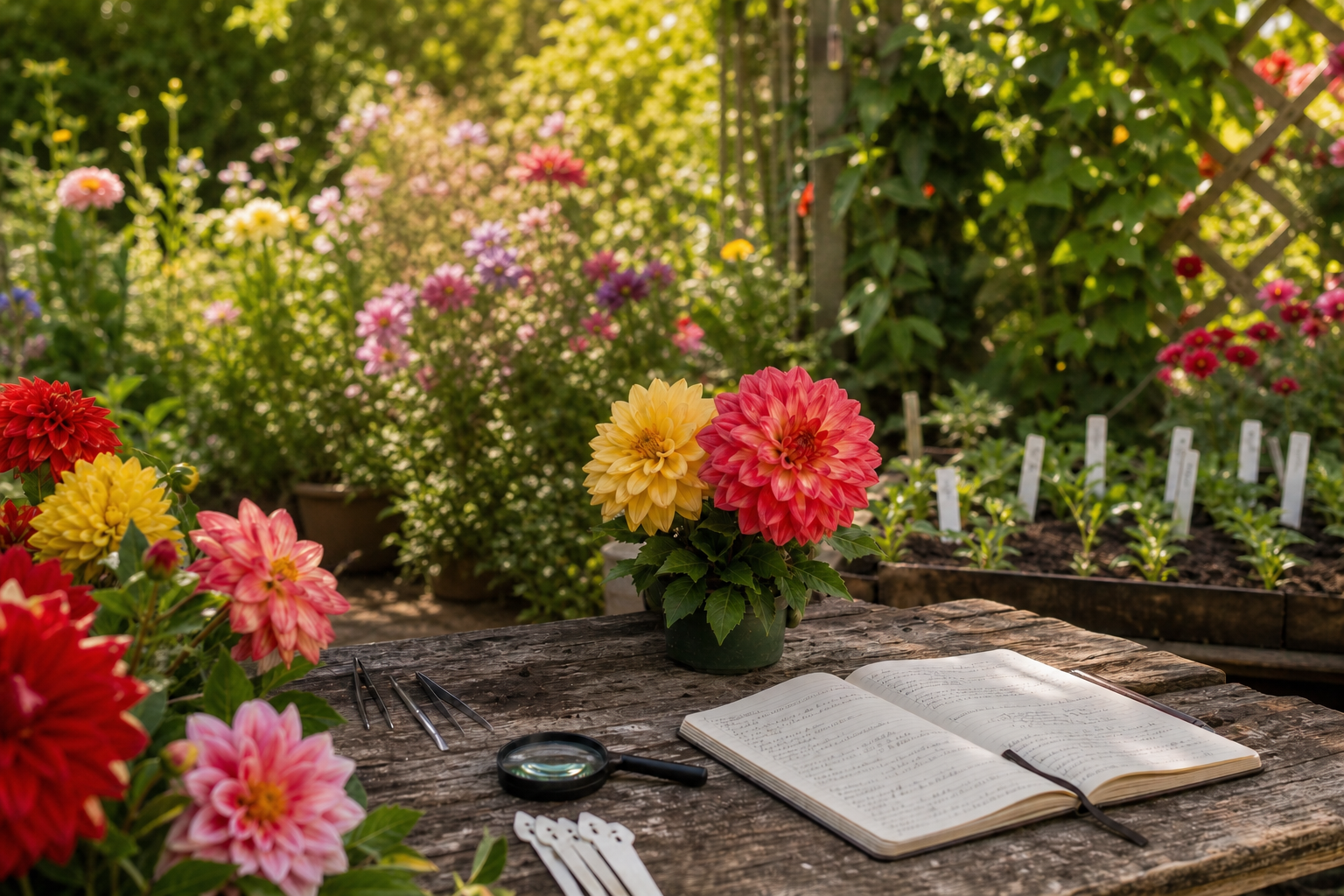
Professional results begin with the right equipment. Fortunately, most hybridisation tools are inexpensive and readily available.
Fine Pollination Brushes
Soft artist brushes allow pollen to be transferred accurately from one flower to another without damaging delicate floral structures.
Precision Tweezers
Fine-point tweezers are useful for removing anthers before pollen is released, preventing accidental self-pollination.
Magnifying Glass
Many flowers possess tiny reproductive organs. Magnification makes it easier to identify receptive stigmas and mature pollen.
Isolation Bags
Mesh or paper pollination bags prevent insects and wind from introducing unwanted pollen after controlled pollination has taken place.
Plant Labels
Every successful breeder becomes an excellent record keeper. Waterproof labels should include parent plant names, pollination dates and any observations.
Notebook or Digital Records
Photographs, flowering dates, germination results and performance notes become invaluable when evaluating future generations.
Preparing Your Parent Plants
Success begins long before pollen is transferred.
Choose healthy, vigorous parent plants that consistently display the characteristics you hope to combine. Weak plants often pass undesirable traits to their offspring.
Compatibility is equally important. Plants generally hybridise most successfully within the same species or between closely related species.
Timing also matters. Parent plants should flower simultaneously whenever possible. If flowering periods differ, pollen can often be collected and stored briefly under suitable conditions until the second parent becomes receptive.
Healthy parent plants produce healthier pollen, stronger seed and ultimately more vigorous offspring.
Step-by-Step Hybridisation Techniques
Collecting Pollen
Select a newly opened flower with mature anthers. Using a clean brush or tweezers, gently collect the pollen before wind or insects remove it.
Preparing the Female Flower
Choose a flower that has not yet been pollinated. Remove its immature anthers if necessary to eliminate self-pollination.
Hand Pollination
Carefully transfer pollen onto the receptive stigma. Gentle contact is usually sufficient. Excessive handling can damage delicate flower parts.
Protecting the Cross
Immediately cover the pollinated flower with a pollination bag or similar protective covering. This prevents contamination from insects or airborne pollen.
Labelling
Record every cross immediately. Memory fades quickly during flowering season, but a clear label preserves valuable information.
Harvesting Seeds
Allow fruits or seed pods to mature naturally before collecting. Dry and store seeds in a cool, dry location until planting time.
Growing and Evaluating Hybrid Seedlings
The appearance of the first seedlings is only the beginning.
Each young plant should be observed carefully for vigour, growth habit, foliage colour, flowering performance and resistance to pests or diseases. Some seedlings will disappoint. Others may display remarkable combinations of traits.
Selection is essential.
Only the strongest and most attractive individuals should be retained for further evaluation. Removing inferior seedlings allows attention to focus on those with genuine potential.
Many outstanding hybrids reveal their qualities gradually. Patience is often rewarded with unexpected excellence.
Common Challenges and Practical Solutions
Failed Pollination
Flowers may simply not be receptive, or pollen may have lost viability. Repeat the process during the next flowering cycle.
Poor Seed Germination
Fresh seed, appropriate moisture, stable temperatures and sterile growing media all improve germination success.
Sterile Hybrids
Some crosses produce vigorous plants that cannot produce fertile seed. Although disappointing from a breeding perspective, many sterile hybrids become exceptional ornamental plants.
Environmental Stress
Extreme heat, heavy rain, strong winds or prolonged humidity can interfere with pollination and seed development. Protected growing areas often improve success rates.
Every unsuccessful attempt contributes valuable experience. Plant breeding is a process of continuous refinement.
Tips for Long-Term Hybridisation Success
Maintain detailed records every season. Compare results across years and identify recurring successes.
Grow multiple seedlings from each cross. Larger populations increase the likelihood of finding exceptional individuals.
Avoid rushing to conclusions. Some hybrids require several growing seasons before their full potential becomes evident.
Continue selecting only the best plants as breeding stock. Over time, careful selection steadily improves quality and consistency.
Perhaps most importantly, remain curious. Many celebrated ornamental plants originated from experimental crosses undertaken by enthusiastic gardeners.
Conclusion
Backyard hybridisation combines scientific observation with artistic imagination. It encourages gardeners to look beyond today's landscape and envision tomorrow's possibilities.
Armed with simple tools, thoughtful techniques and careful record keeping, anyone can participate in the fascinating process of creating new plant varieties. Every successful cross represents an opportunity to discover improved colour, greater resilience, enhanced fragrance or entirely new forms.
The most rewarding gardens are not always those filled with rare plants purchased from a nursery. Sometimes, they are the ones that contain a remarkable plant created by the gardener's own hands—one careful pollination at a time.