The Role of Soil Health in Preventing Plant Diseases
 Trevor Dixon
1. Introduction
Soil is more than dirt. It’s a living, breathing ecosystem. Soil health refers to the capacity of soil to function—to nurture plants, cycle nutrients, retain water, and resist disease. When soil loses these capacities, plants suffer. Disease finds easy purchase. Wilting, rot, blight become regular visitors.
Understanding soil health is not an academic exercise. It is essential to preventing plant disease. Healthy soil boosts resistance. Diseased soil weakens defenses.
2. Key Components of Healthy Soil
Physical attributes: texture, structure, aeration
Soil texture (clay, silt, sand) governs how water and air travel through soil. Coarse sand drains fast. Clay holds water but can suffocate roots. Structure matters. Aggregates—crumbly clumps—allow roots to penetrate. They allow air to move. Dense compacted soil? It strangles roots and encourages pathogens.
Chemical balance: pH, nutrient levels, cation exchange
Plants need nutrients—nitrogen, phosphorus, potassium, trace minerals. If soil pH is too high or too low, these nutrients become locked or toxic. For example, some pathogens thrive when soil is acidic; others prefer neutrality. Cation exchange capacity (CEC) is soil’s ability to hold and exchange nutrients. Good chemistry gives plants vigor. Vigor fights disease.
Biological life: microbes, fungi, nematodes, and beneficial organisms
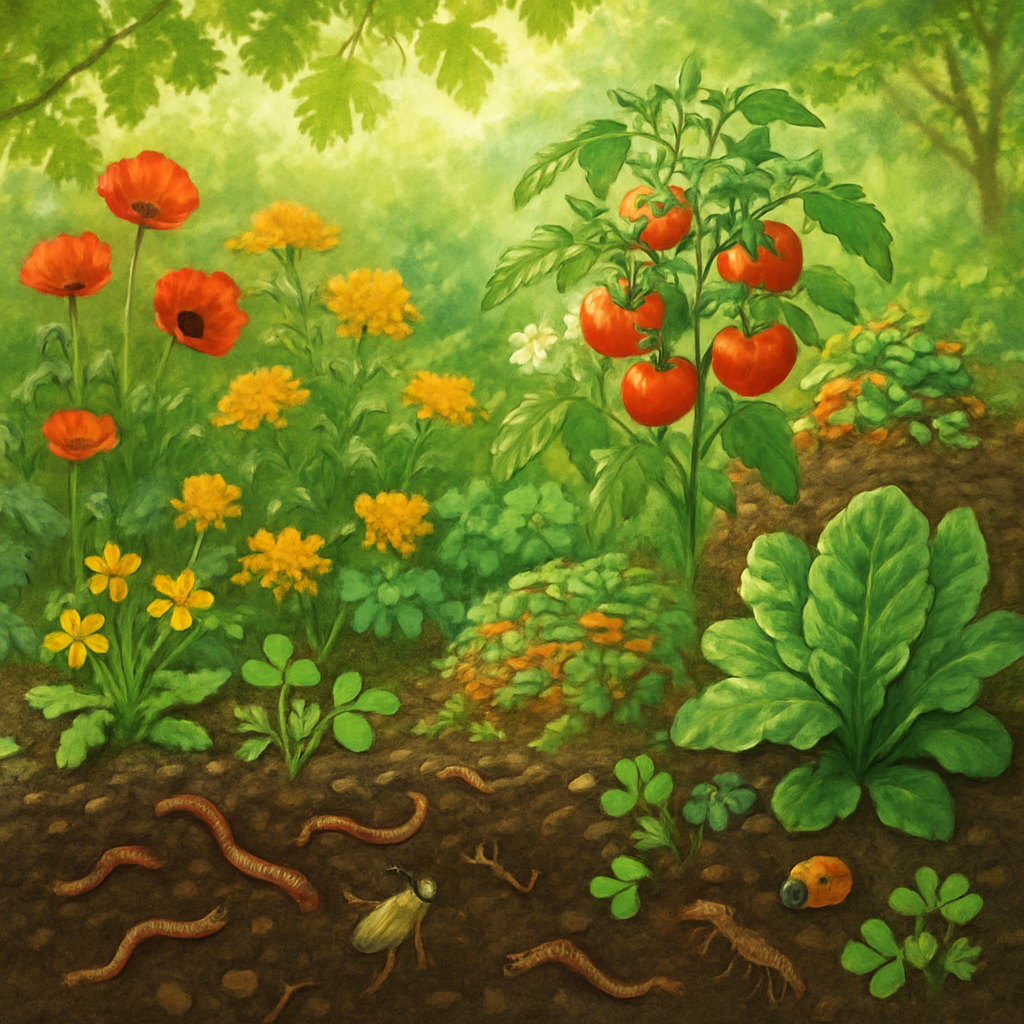
Soil teems with life. Bacteria, fungal hyphae, actinomycetes, nematodes (beneficial and harmful), protozoa—they all play a part. Beneficial microbes compete with pathogens, produce antimicrobial compounds, stimulate plant defenses. Mycorrhizal fungi expand root reach. Disease suppression often depends on this living network.
3. How Poor Soil Contributes to Disease
Waterlogging, compaction, and reduced oxygen
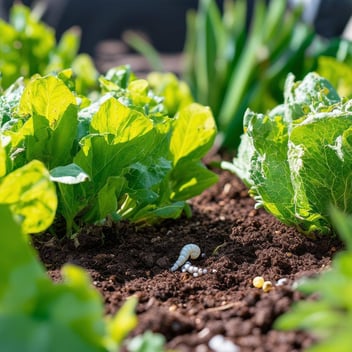
When soil is compacted or drenched, oxygen disappears. Roots drown. Pathogens like fungi, oomycetes love wet, low‑oxygen soil. Diseases like root rot become more common. Soil that doesn’t drain well invites trouble.
Nutrient imbalances and plant stress
Plants lacking essential nutrients are stressed. Stress weakens their immune responses. Under‑fed plants are more susceptible to pathogens. Over‑fertilizing can do harm too—excess nitrogen, for example, can push succulent growth which pathogens adore.
Pathogen build‑up and low microbial diversity
When the same crops are grown repeatedly, or when soil is mistreated, harmful pathogens build up. Low diversity among beneficial organisms means fewer checks and balances. Disease races, fungus, bacteria, nematodes persist. Without a rich microbial community, disease suppression is weak.
4. Disease‑Suppressive Soils: Nature’s Defense
What makes a soil suppressive to pathogens
Disease‑suppressive soils are those in which, despite the presence of a pathogen and a susceptible host, disease incidence is low. These soils behave like a natural barrier.
Examples of suppressive mechanisms: competition, antibiosis, induced resistance
-
Competition: Beneficial microbes outcompete pathogens for resources.
-
Antibiosis: Some microbes produce chemicals toxic to pathogenic fungi or bacteria.
-
Induced resistance: Plants form stronger defenses when interacting with good microbes—like priming the immune system.
5. Management Practices to Improve Soil Health
Organic amendments: compost, manure, biochar
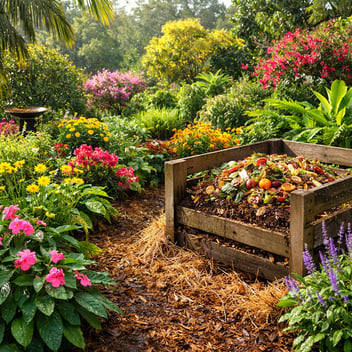
Adding high‑quality compost or well‑rotted manure lends organic matter, feeding microbes and improving soil structure. Biochar aids moisture retention and provides habitat for microorganisms.
Cover cropping and green manures
Growing cover crops or green manure between seasons keeps soil covered, adds biomass, suppresses weeds, and enriches the soil when turned in. It gives soil life to thrive and pathogens less opportunity.
Crop rotation and plant diversity
Rotating crops prevents pathogen every‑year build‑up. Planting a diversity of species reduces host availability for specialized diseases. Diversity builds resilience.
Reduced tillage and minimizing soil disturbance
Every time soil is plowed hard, structure breaks. Beneficial fungal networks get severed. Soil becomes more vulnerable. Reduced tillage preserves structure, moisture, beneficial microbes. It also helps disease suppression.
6. Monitoring Soil Health in Your Garden
Simple tests: smell, structure, drainage, moisture retention
Touch the soil. Smell it. Does it crush into crumbs or clump into blocks? Does water drain or sit? These simple cues tell a lot. Does it stay moist but not soggy? Good sign.
Lab or extension testing: pH, nutrient assays, microbial biomass
Get tests. pH tests, nitrogen/phosphorus/potassium analyses. Some labs test for microbial biomass or disease‑suppressive capacity. Use knowledge to adjust.
Watching plant symptoms as soil health indicators
Yellowing, wilting, root rot, stunted growth—even if pest problems are absent—may point to soil issues. Symptoms above ground often reflect underground stress.
7. Adapting Soil Health Strategies to Climate & Local Conditions
Considering SEQ’s climate: rainfall, temperature, humidity
South East Queensland has warm temperatures, often high humidity, seasonal heavy rains. So soils often risk waterlogging and fungal disease. Amendments and drainage matter more here. Choosing soil management that copes with intense summer moisture and dry spells is essential.
Using local materials and indigenous practices
Use composts and mulches made from local plant matter. Indigenous knowledge often includes plants or methods adapted to local soil and pest pressures. Local organic matter, cover crop species suited to SEQ, use of native microbial inoculants help.
8. Case Studies & Success Stories
Home gardeners and small farms in subtropical climates have reduced disease incidence by improving soil health. For example, using heavy compost mulches and rotating crops leads to fewer root rots. Some demonstration plots show suppressed Phytophthora in soils with more organic matter and better drainage. (Localizing examples helps show what works.)
9. Conclusion
Soil health is not an optional extra. It is foundational for preventing plant disease. Improving texture, chemistry, biology—these open the door to resilient, robust plants. Diseases become less frequent. Yields improve. Gardening (and farming) becomes more sustainable. Nurture your soil. Your plants will thank you.