The Best Fruit Trees for Subtropical Climates
 Trevor Dixon
Introduction: Growing Abundance in Subtropical Regions
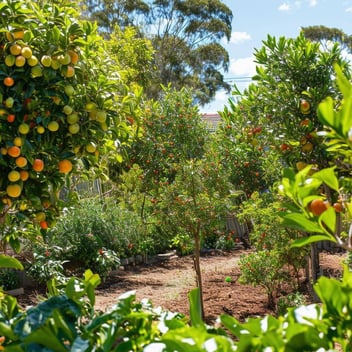
A subtropical garden is a place of generosity. Warmth lingers. Rain visits often. Growth is not hesitant—it is exuberant. In such a climate, fruit trees do not merely survive. They flourish. They swell with sweetness, colour, and vitality, offering harvests that feel almost effortless.
Subtropical regions, like South East Queensland, are uniquely suited to fruit production. With the right selection, your backyard can become an orchard of abundance—bursting with flavour and life.
Understanding Subtropical Conditions
Subtropical climates are defined by heat, humidity, and relatively mild winters. These conditions encourage vigorous growth but also demand thoughtful plant selection.
Fruit trees in these regions must tolerate warmth and humidity while often requiring low chill hours to set fruit successfully. Trees adapted to these conditions will fruit consistently, while those from cooler climates may struggle to perform.
In Queensland, tropical and subtropical fruit trees thrive when protected from strong winds and given consistent warmth.
Key Criteria for Choosing Fruit Trees
Selecting the right fruit tree is not guesswork—it is strategy.
- Climate adaptability is paramount. Trees must handle heat, humidity, and seasonal rainfall.
- Soil compatibility matters just as much. Well-draining soil prevents root rot and promotes healthy growth.
- Ease of maintenance ensures long-term success. Hardy, resilient trees reduce intervention and increase enjoyment.
Choose wisely, and the tree becomes a lifelong companion.
Top 10 Fruit Trees for Subtropical Climates
Citrus Varieties
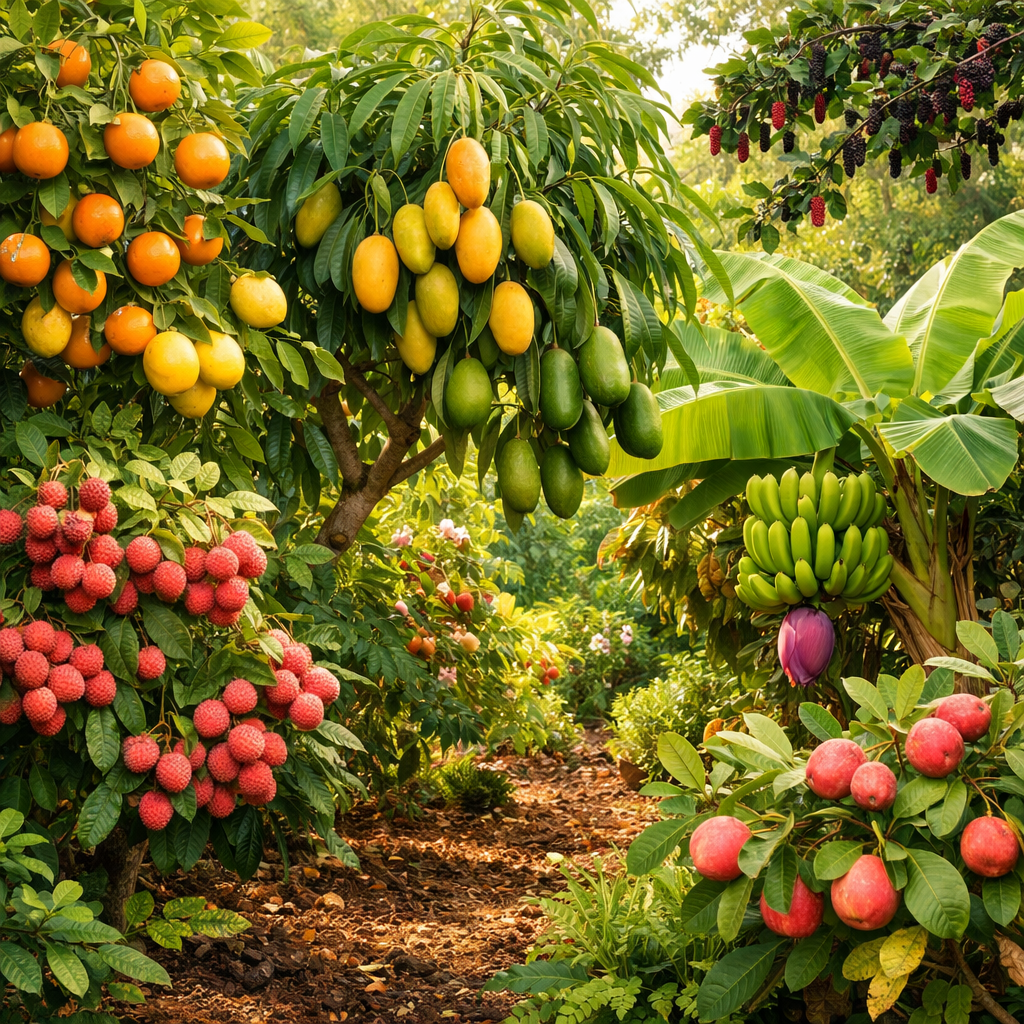
Citrus trees—lemons, limes, oranges, mandarins—are foundational. Reliable. Productive. Sun-loving and fragrant, they are staples of subtropical gardens.
Avocado
Rich, buttery fruit and evergreen foliage make avocados a standout choice. Subtropical regions are ideal for their growth, particularly in coastal climates.
Mango
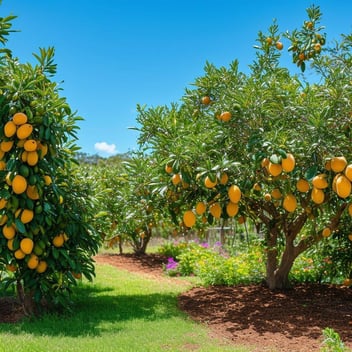
Few trees capture the essence of the subtropics like mango. With glossy leaves and golden fruit, it thrives in heat and rewards patience with spectacular harvests.
Banana
Technically a herb, but functionally essential. Bananas love warmth, moisture, and shelter, producing abundant fruit in the right conditions.
Lychee
Elegant and refined, lychee trees prefer humid climates and generous rainfall. Their sweet, aromatic fruit is highly prized.
Guava
Guava trees are resilient and productive, thriving in frost-free subtropical zones. Their fruit is aromatic, nutrient-rich, and versatile.
Fig
A remarkably forgiving tree. Figs tolerate heat, drought, and poor soil, producing sweet fruit with minimal fuss.
Mulberry
Fast-growing and prolific, mulberries are ideal for gardeners seeking quick results. Their berries are loved by both people and wildlife.
Macadamia
A native Australian treasure. Macadamias thrive in subtropical climates and reward patience with rich, buttery nuts.
Custard Apple
Creamy, sweet, and tropical in flavour, custard apples flourish in warm climates and are particularly suited to coastal regions.
Planting and Establishment Tips
A strong beginning determines future success.
Choose a site with full sun exposure—most fruit trees require at least 80–100 percent sunlight to perform at their best.
Prepare soil with organic matter. Ensure excellent drainage. Plant at the correct depth. These seemingly simple steps are transformative.
Watering and Fertilisation Strategies
Water deeply, but not constantly. Encourage roots to reach downward, seeking moisture. This builds resilience.
Feed with organic fertilisers during active growth. Subtropical trees respond well to consistent nutrition, especially during flowering and fruiting.
Pruning and Maintenance for Longevity
Pruning is both science and art. Remove dead wood. Shape the canopy. Encourage airflow.
Well-pruned trees are healthier, more productive, and easier to harvest. Neglect leads to congestion, disease, and diminished yield.
Common Challenges in Subtropical Fruit Growing
Humidity invites fungal diseases. Warmth encourages pests.
Regular observation is essential. Early detection prevents escalation. Good airflow, healthy soil, and balanced watering reduce most issues before they begin.
Extreme weather—heavy rain or heatwaves—can stress trees. Resilient varieties and thoughtful placement mitigate these risks.
Designing a Productive Subtropical Orchard
A successful orchard is not random—it is orchestrated.
Layer heights. Space trees correctly. Combine early, mid, and late fruiting varieties. This ensures a continuous harvest, season after season.
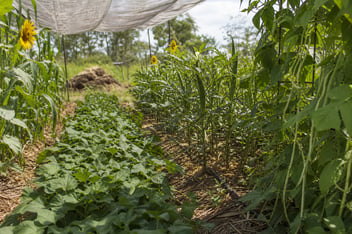
Companion planting enhances biodiversity, attracts pollinators, and improves overall garden health.
Conclusion: Cultivating a Fruitful Future
A subtropical garden offers more than beauty. It offers sustenance. Connection. Reward.
Each fruit tree planted is a promise—of seasons to come, of harvests yet unseen. With thoughtful selection and care, that promise becomes reality.
The result is not just a garden. It is abundance made tangible.