Sustainable Gardening: Using Medicinal Plants to Reduce Waste
 Trevor Dixon
The Connection Between Sustainability and Medicinal Gardening
Modern life generates an astonishing amount of waste. Plastic packaging, disposable products, synthetic chemicals, and single-use items often find their way into homes and gardens alike. Yet hidden within the simple act of growing medicinal plants lies an elegant solution.
A medicinal garden is more than a collection of herbs. It is a living system. A place where health, ecology, and self-sufficiency intersect. Every leaf harvested, every flower dried, and every seed saved represents a small step toward a more sustainable way of living.
Turning Waste Into Wellness
Imagine harvesting fresh aloe vera instead of purchasing another packaged skin cream. Picture brewing lemon balm tea from leaves picked minutes earlier rather than opening a commercially packaged tea bag.
The transformation is profound. Waste becomes wellness. Gardens become pharmacies. Everyday spaces become regenerative landscapes.
Why Medicinal Plants Belong in Sustainable Gardens
Multiple Functions From a Single Plant
One of the most remarkable characteristics of medicinal plants is their versatility.
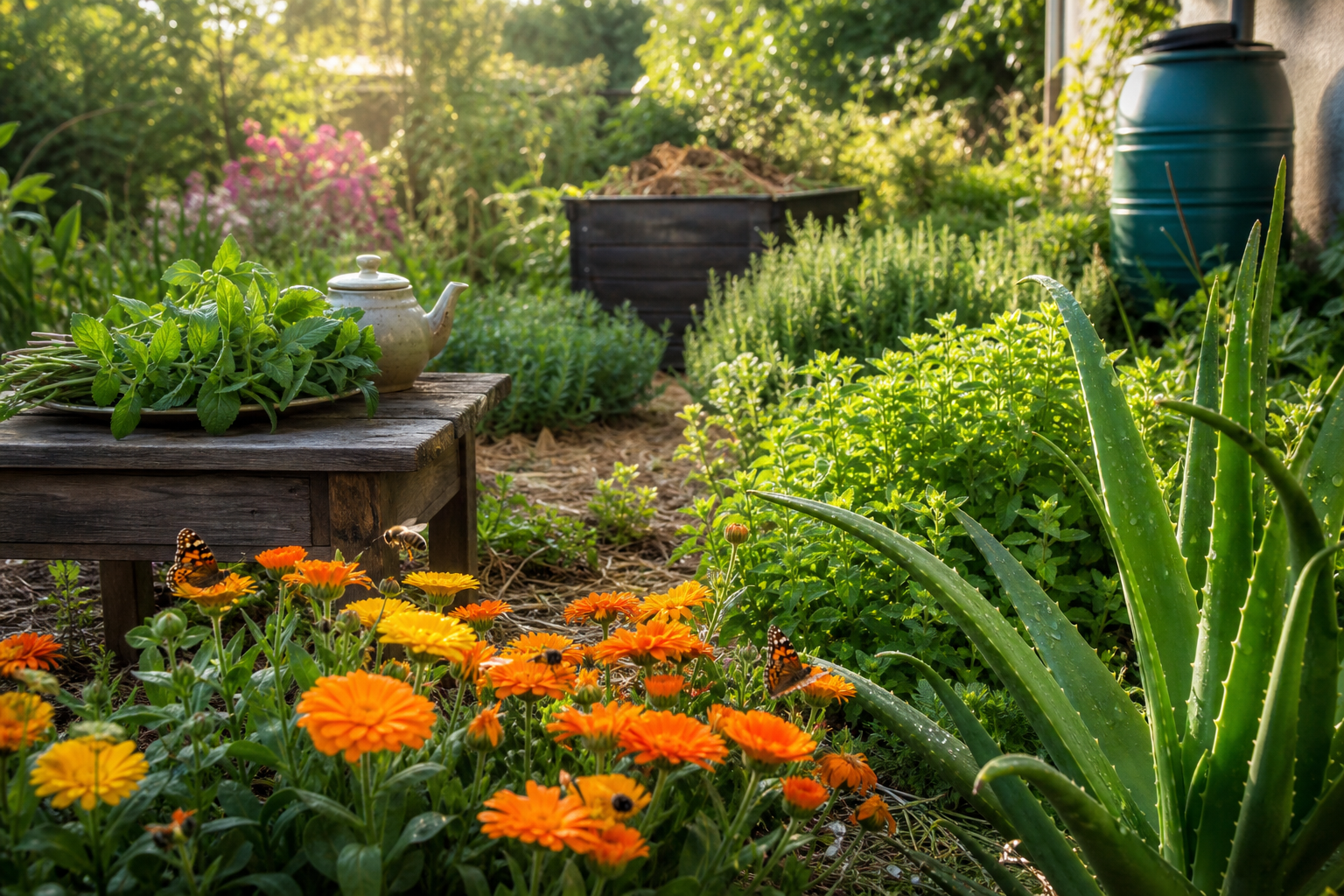
Calendula provides vibrant colour, attracts pollinators, and supplies petals for healing salves. Aloe vera beautifies a garden while providing a soothing gel for burns and skin irritation. Lemon myrtle offers culinary flavour, aromatic foliage, and antimicrobial properties.
Each plant performs multiple roles simultaneously. This multifunctionality reduces the need for additional products and resources.
Reducing Reliance on Packaged Products
Many household remedies arrive wrapped in layers of packaging. Bottles, boxes, plastic seals, labels, and transport materials all contribute to environmental burdens.
Growing medicinal plants reduces dependence on these products. A home-grown herbal tea requires no manufacturing plant, no freight truck, and no excess packaging. The environmental footprint shrinks dramatically while freshness and quality increase.
Choosing Medicinal Plants for a Low-Waste Garden
Easy-to-Grow Medicinal Plants for South East Queensland
South East Queensland’s subtropical climate supports an abundance of medicinal species.
Some outstanding options include:
- Aloe Vera
- Lemon Balm
- Peppermint
- Calendula
- Chamomile
- Turmeric
- Ginger
- Gotu Kola
- Lemongrass
- Echinacea
These plants thrive with relatively modest care while producing a continual supply of useful harvests.
Native Species With Healing Potential
Native medicinal plants deserve special recognition.
Lemon Myrtle, Native Ginger, and various Melaleuca species have been valued for generations. They are adapted to local conditions, require fewer inputs, and often demonstrate greater resilience than imported species.
Choosing natives reduces water consumption and supports local biodiversity while celebrating Australia's extraordinary botanical heritage.
Closing the Loop With Garden Waste
Composting Medicinal Plant Residues
Every garden produces organic waste. Stems, leaves, spent flowers, and pruning debris accumulate throughout the year.
Rather than viewing these materials as rubbish, sustainable gardeners see them as future fertility.
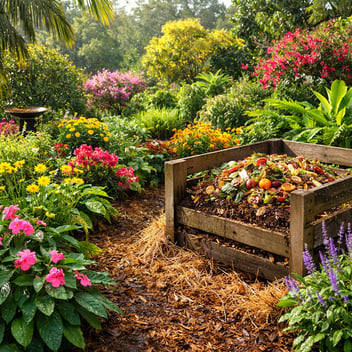
Medicinal plant residues break down beautifully in compost systems. As they decompose, nutrients return to the soil, completing a natural cycle of growth and renewal.
Nothing is wasted. Everything becomes part of the next harvest.
Mulching for Soil Health and Water Conservation
Pruned herbs can often be chopped and used as mulch around garden beds.
Mulch suppresses weeds. It moderates soil temperatures. It conserves precious moisture during Queensland's warmer months.
This simple practice transforms what might have been discarded into a valuable resource that continually improves garden performance.
Creating Natural Remedies From Garden Harvests
Teas, Infusions, and Herbal Tonics
A handful of fresh herbs can become a soothing tea, a restorative infusion, or a fragrant tonic.
Peppermint supports digestion. Chamomile promotes relaxation. Lemon balm offers calming properties.
Creating these remedies at home eliminates packaging waste while strengthening the connection between gardener and garden.
Salves, Balms, and Skin Treatments
Many medicinal plants excel in topical applications.
Calendula petals infused in oil create soothing balms. Aloe vera gel can be applied directly to minor burns. Lavender-infused oils may assist relaxation and skin comfort.
By making remedies at home, gardeners reduce dependence on commercially manufactured alternatives while utilising every useful part of the plant.
Sustainable Water and Resource Management
Water-Wise Gardening Techniques
Sustainability extends beyond plant selection.
Mulching, drip irrigation, rainwater harvesting, and strategic plant placement all contribute to water efficiency. Medicinal plants adapted to local conditions often require surprisingly little supplementary irrigation once established.
Thoughtful water management conserves resources while promoting healthier root systems.
Reusing Household Materials in the Garden
Many common household items can enjoy a second life in medicinal gardens.
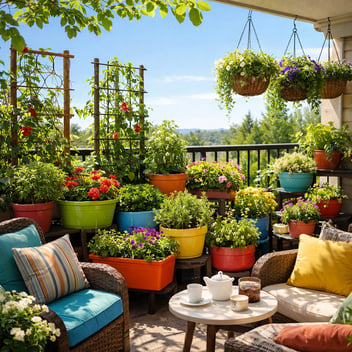
Old containers become planters. Glass jars store dried herbs. Timber offcuts become garden edging. Food scraps enrich compost systems.
These practices reduce landfill contributions while lowering gardening costs.
Supporting Biodiversity With Medicinal Plants
Attracting Pollinators and Beneficial Insects
Medicinal gardens often become ecological sanctuaries.
Lavender, calendula, chamomile, and native flowering herbs attract bees, butterflies, hoverflies, and other beneficial insects. These visitors improve pollination and strengthen the broader ecosystem.
A healthy garden hums with life.
Building a Self-Sustaining Ecosystem
As biodiversity increases, gardens become more resilient.
Predatory insects help control pests naturally. Pollinators improve productivity. Soil organisms enhance nutrient cycling.
The result is a thriving system requiring fewer external inputs and producing less waste.
Growing a Circular Herbal Garden
Seed Saving and Plant Propagation
Many medicinal plants readily produce seed or propagate through division and cuttings.
Saving seed from calendula or chamomile eliminates the need to purchase new stock each season. Dividing peppermint and lemon balm creates new plants at virtually no cost.
This circular approach reduces waste while increasing abundance.
Sharing Plants and Knowledge Within the Community
Gardens flourish when communities collaborate.
Sharing seedlings, cuttings, seeds, and gardening wisdom strengthens local resilience. It reduces unnecessary purchases and fosters a culture of sustainability.
One plant can become dozens. One gardener can inspire many.
Common Mistakes That Create Unnecessary Waste
Overplanting and Overharvesting
Enthusiasm often leads gardeners to plant more than they can realistically manage.
Excess herbs may go unused and eventually become waste. A more measured approach allows harvests to be fully appreciated and utilised.
Grow what can be used. Expand gradually.
Improper Storage of Herbs
Poor storage practices can ruin valuable harvests.
Herbs exposed to moisture, sunlight, or heat quickly lose quality. Proper drying and storage in airtight containers preserves potency and prevents unnecessary waste.
Every harvest represents effort. Protecting it is part of sustainable gardening.
Conclusion
Growing Health While Reducing Waste
Medicinal plants offer a remarkable opportunity to combine personal wellbeing with environmental stewardship.
They heal. They nourish. They beautify. Most importantly, they demonstrate that sustainability does not require sacrifice. It simply requires thoughtful choices.
A More Regenerative Future Begins in the Garden
Every medicinal herb planted represents a small act of regeneration.
A compost pile becomes fertile soil. A harvested flower becomes a healing salve. A saved seed becomes the next generation.
The journey toward a lower-waste lifestyle does not begin in a factory or a landfill. It begins in the garden, where nature quietly teaches the art of abundance without waste.