Stone Fruit Trees for SEQ: Peaches, Plums, and Nectarines
 Trevor Dixon
Introduction
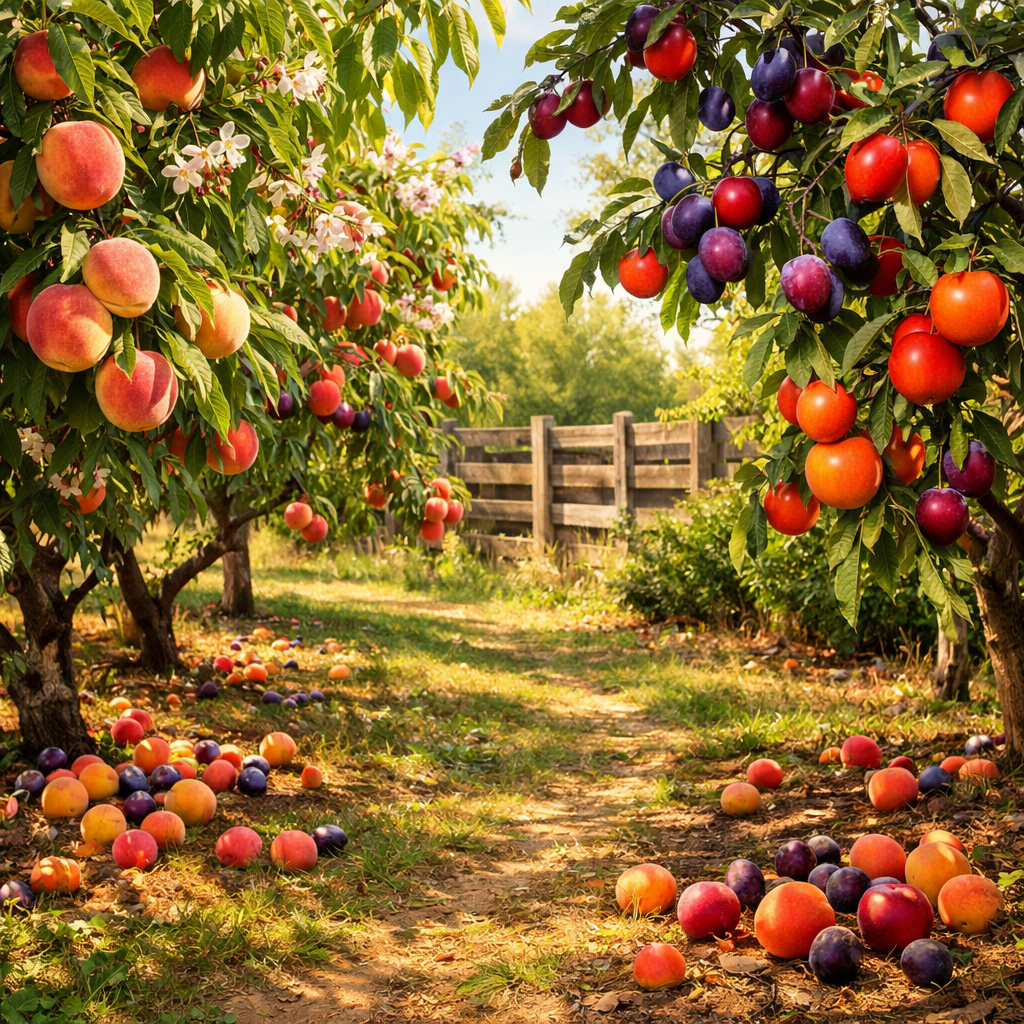
There is something undeniably enchanting about plucking a sun-warmed peach straight from the branch. The fragrance. The sweetness. The satisfaction. Stone fruit trees bring a touch of orchard magic to the backyard, transforming ordinary gardens into productive landscapes overflowing with flavour.
South East Queensland's subtropical climate presents unique opportunities for growing peaches, plums, and nectarines. While traditional stone fruit production has often been associated with cooler regions, modern low-chill varieties have opened the door for SEQ gardeners to cultivate exceptional harvests right at home.
With the right selection and care, these trees can become some of the most rewarding additions to any garden.
Understanding Stone Fruit Trees
Stone fruits belong to the genus Prunus and are characterised by a hard inner pit or stone that surrounds the seed. Peaches, nectarines, plums, apricots, and cherries all fall into this category.
For SEQ gardeners, peaches, nectarines, and selected plum varieties are the stars of the show. These trees have adapted remarkably well to subtropical conditions thanks to breeding programs focused on reducing winter chill requirements.
Unlike many fruit trees that can take years to establish, stone fruits are vigorous growers. Many begin producing worthwhile crops within just a few seasons, making them ideal for gardeners seeking relatively rapid rewards.
Choosing the Right Varieties for SEQ
Low-Chill Peaches
The key to success in South East Queensland lies in choosing low-chill cultivars. Traditional peaches require extended periods of winter cold, something largely absent in the region.
Varieties such as Tropic Beauty, Tropic Snow, Flordaprince, and Gulf Prince have been specifically developed for warmer climates. These trees require significantly fewer chilling hours and still produce abundant crops of juicy fruit.
Their blossoms emerge reliably after Queensland winters, followed by vibrant fruit that ripens during the warmer months.
Subtropical Nectarines
Nectarines offer all the sweetness of peaches wrapped in smooth, glossy skin. They thrive under similar conditions and share many of the same cultural requirements.
Sunraycer, Sunlite, and Tropical Sweet are excellent choices for SEQ gardens. Their compact growth habit and dependable fruiting make them particularly attractive for suburban properties.
Suitable Plum Varieties
Plums can be slightly more selective, but several varieties perform exceptionally well in warmer climates.
Gulf Gold, Gulf Ruby, and Santa Rosa remain popular choices. Their attractive blossoms, colourful fruit, and vigorous growth add both ornamental and productive value to the garden.
Selecting the Perfect Growing Location
Sunlight Requirements
Stone fruits are lovers of sunshine. The more sunlight they receive, the sweeter and more flavourful the fruit becomes.
Choose a location that receives at least six to eight hours of direct sunlight each day. Morning sun is especially beneficial, helping dry dew from foliage and reducing disease pressure.
Wind Protection and Airflow
While sunlight is essential, excessive wind can damage blossoms and developing fruit.
A protected position near a fence, hedge, or windbreak offers ideal conditions. However, avoid areas where air becomes stagnant. Good airflow helps minimise fungal diseases and encourages healthy growth.
Soil Considerations
Stone fruit trees demand excellent drainage.
Heavy clay soils often require improvement through the incorporation of organic matter and gypsum. Raised beds or mounded planting areas can significantly improve root health where drainage is poor.
A fertile, well-structured soil creates the foundation for decades of productivity.
Planting for Long-Term Success
Best Planting Times
Late autumn through winter is generally the ideal planting period for bare-root trees. Container-grown specimens can be planted throughout much of the year, although cooler months reduce stress and improve establishment.
Soil Preparation
Preparation is often the difference between average and exceptional results.
Dig a broad planting area rather than a deep hole. Incorporate compost, aged manure, and soil conditioners to create a biologically active growing environment.
Healthy soil supports healthy roots.
Correct Planting Techniques
Position the tree so that the graft union remains above soil level. Water thoroughly after planting and apply a generous layer of mulch around the root zone.
Avoid piling mulch against the trunk, as this can encourage disease and collar rot.
Watering, Fertilising, and Mulching
Seasonal Watering Needs
Young trees require regular moisture while establishing.
Mature trees benefit from deep watering during flowering, fruit set, and periods of prolonged heat. Consistent moisture helps prevent fruit drop and improves fruit size.
Feeding Schedules
Stone fruit trees are enthusiastic feeders.
Applications of balanced fertiliser in early spring support vigorous growth and flowering. Additional feeding after harvest helps replenish nutrient reserves for the following season.
Organic compost and well-aged manure provide excellent supplementary nutrition.
Mulching Benefits
Mulch acts as nature's protective blanket.
It conserves moisture, moderates soil temperatures, suppresses weeds, and gradually improves soil structure. Wood chips, sugar cane mulch, and leaf litter all work exceptionally well.
Pruning and Training Stone Fruit Trees
Why Pruning Is Essential
Pruning is not merely maintenance. It is an investment in future harvests.
Stone fruits produce much of their fruit on young wood, meaning annual pruning encourages fresh growth and higher yields.
Open-Centre Pruning Systems
The vase-shaped or open-centre system remains the preferred approach.
By opening the centre of the canopy, sunlight penetrates throughout the tree. Air circulation improves. Fruit quality increases. Disease pressure decreases.
Managing Tree Size
Regular pruning also keeps trees manageable.
Smaller trees are easier to harvest, spray, and maintain. Backyard growers often achieve superior results from compact, well-shaped trees than from large, neglected specimens.
Common Pests and Diseases in SEQ
Fruit Fly Management
Queensland fruit fly remains one of the biggest challenges for stone fruit growers.
Exclusion bags, baiting systems, and orchard hygiene form the cornerstone of effective management. Fallen fruit should be removed promptly to break breeding cycles.
Leaf Curl and Fungal Diseases
Peach leaf curl can distort foliage and reduce vigour.
Preventative fungicide applications during dormancy are often highly effective. Good airflow and proper pruning further reduce disease pressure.
Preventative Care Strategies
Healthy trees are naturally more resilient.
Balanced nutrition, appropriate watering, and regular monitoring allow problems to be identified before they become serious.
Harvesting Peaches, Plums, and Nectarines
Recognising Ripeness
Ripeness reveals itself through colour, aroma, and texture.
Peaches and nectarines develop a rich fragrance and slight softness when gently pressed. Plums often display vibrant colour changes and a subtle bloom on the skin.
Harvest Techniques
Fruit should be harvested carefully to avoid bruising.
A gentle twist is often sufficient to detach ripe fruit from the branch.
Post-Harvest Handling
Stone fruits are delicate treasures.
Handle them gently and store them in cool conditions. The reward is fruit with flavour far surpassing anything found on supermarket shelves.
Growing Stone Fruits in Small Gardens
Dwarf Varieties
Modern dwarf cultivars offer tremendous possibilities for compact spaces.
These smaller trees produce full-sized fruit while occupying only a fraction of the space of traditional specimens.
Espalier Techniques
Espalier training transforms fruit trees into living garden art.
Branches are trained flat against fences or walls, creating productive vertical gardens perfect for suburban properties.
Container Growing Options
Many stone fruits adapt surprisingly well to large containers.
With quality potting mix, regular feeding, and attentive watering, even small patios can support productive fruit trees.
Common Mistakes and Troubleshooting
Overwatering
Too much water is often more harmful than too little.
Waterlogged roots quickly decline, leading to poor growth and reduced fruiting.
Insufficient Pruning
Neglected trees become overcrowded and unproductive.
Regular pruning maintains vigour, sunlight penetration, and fruit quality.
Poor Variety Selection
Choosing high-chill varieties remains one of the most common mistakes in SEQ.
Always select cultivars specifically suited to subtropical conditions for reliable flowering and fruit production.
Conclusion
Stone fruit trees bring extraordinary rewards to South East Queensland gardens. Their spring blossoms announce the changing seasons with spectacular beauty. Their summer harvests deliver sweetness, fragrance, and abundance.
Whether growing peaches, plums, or nectarines, success begins with choosing the right varieties and providing thoughtful care. With fertile soil, generous sunshine, and attentive pruning, even modest suburban gardens can become productive orchards overflowing with flavour.
The result is more than fruit. It is a living legacy of seasonal abundance, cultivated one harvest at a time.