Soil Health and Its Impact on Pest Control
 Trevor Dixon
1. Introduction
Every magnificent garden begins beneath the surface.
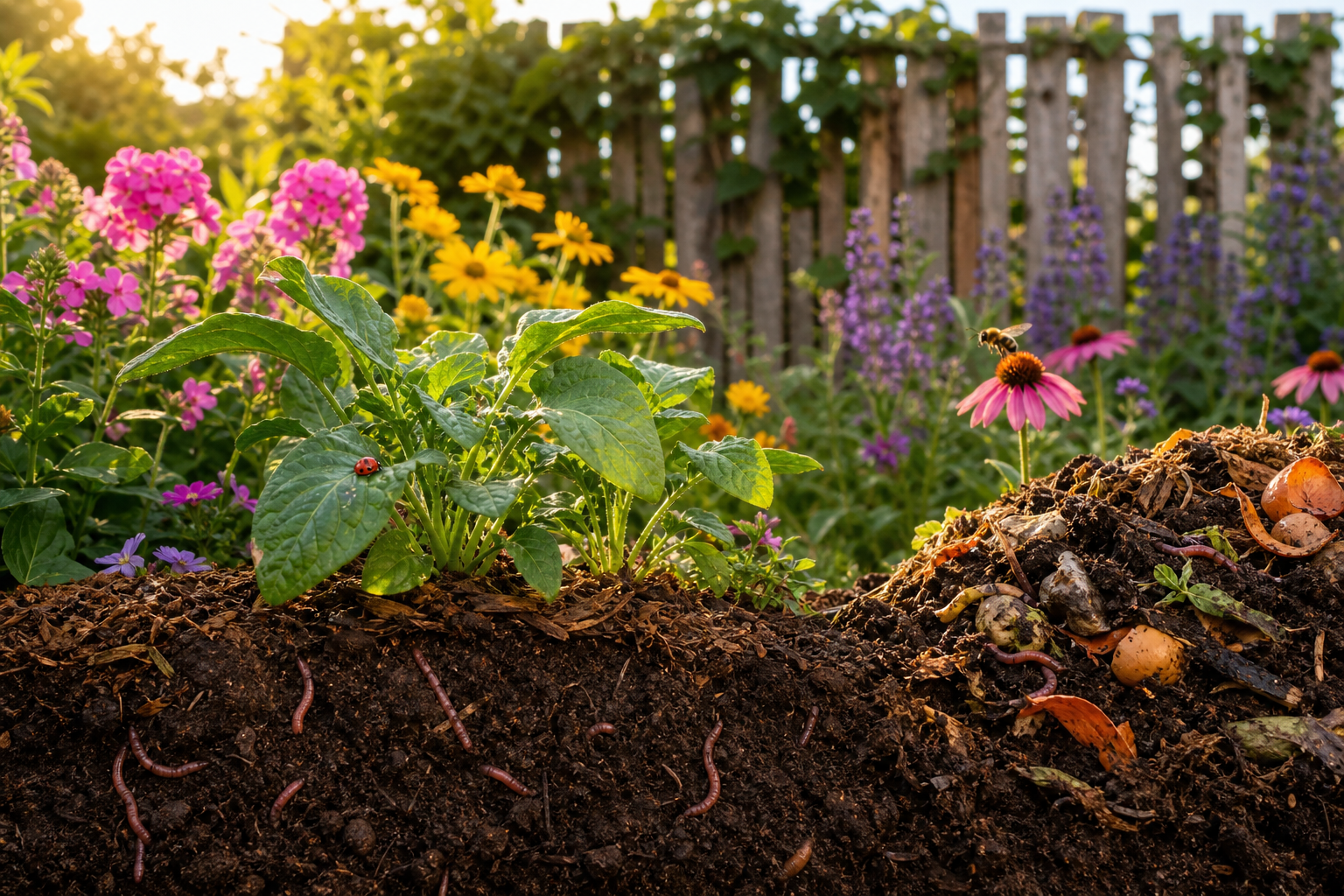
While colourful flowers and abundant harvests often capture the spotlight, the true architect of garden success lies hidden underground. Healthy soil is far more than a growing medium—it is a dynamic, living ecosystem teeming with bacteria, fungi, earthworms, insects, and countless microscopic organisms working in remarkable harmony.
Many gardeners focus exclusively on controlling pests after they appear. Yet thriving plants rarely become heavily infested without reason. More often than not, poor soil health creates stressed plants that inadvertently invite insect attack.
Understanding this relationship transforms gardening. Instead of fighting pests endlessly, gardeners can cultivate soil that naturally strengthens plants and discourages infestations before they begin.
2. What Makes Soil Healthy?
Healthy soil is a delicate equilibrium of physical structure, chemical composition, and biological activity.
Physical Structure
Well-structured soil contains a balance of mineral particles, organic matter, air pockets, and moisture. It drains efficiently while retaining sufficient water for plant roots. Loose, friable soil allows roots to explore deeply and access essential nutrients.
Chemical Balance
Nutrients such as nitrogen, phosphorus, potassium, calcium, magnesium, and trace elements must remain available in appropriate proportions. Soil pH also influences nutrient availability, with most garden plants thriving in slightly acidic to neutral conditions.
Biological Diversity
Perhaps the most overlooked component is biological life.
Billions of microorganisms inhabit every handful of healthy soil. Bacteria decompose organic matter. Fungi extend root systems through mycorrhizal networks. Earthworms aerate the soil and recycle nutrients. Predatory nematodes and beneficial microbes suppress harmful organisms, creating an underground community that supports vigorous plant growth. Healthy soil biodiversity underpins nutrient cycling, soil structure, and natural pest suppression.
3. How Healthy Soil Builds Natural Pest Resistance
Healthy plants are not immune to pests, but they are remarkably resilient.
Strong Plants Resist Attack
Plants growing in fertile, biologically active soil develop stronger cell walls, healthier foliage, and more extensive root systems. They recover more quickly from minor damage and are less attractive to many opportunistic insects.
Stress weakens natural defences. Vitality strengthens them.
The Role of Soil Microbes and Beneficial Organisms
Beneficial microbes perform extraordinary services.
They help unlock nutrients, stimulate root growth, improve water uptake, and compete with disease-causing organisms. Some fungi and bacteria actively suppress soil-borne pathogens while supporting healthier root systems. Biological processes within healthy soil contribute significantly to sustainable pest management.
The result is a garden that becomes progressively more resilient with each passing season.
4. Common Soil Problems That Encourage Pests
Pest outbreaks often begin below ground.
Compacted Soil
Compaction restricts root development and limits oxygen availability. Plants struggle to absorb nutrients and water, becoming increasingly vulnerable to insect attack.
Poor Drainage
Waterlogged soils encourage root diseases and weaken plants. Stressed roots cannot adequately support healthy foliage, making above-ground pests more problematic.
Nutrient Imbalances
Excessive nitrogen deserves special attention.
Although rapid growth may appear desirable, lush, soft foliage often attracts aphids, mites, and other sap-feeding insects. Balanced fertility produces stronger, less vulnerable plants.
Low Organic Matter
Without organic matter, soil loses structure, moisture retention, and biological diversity. The entire ecosystem becomes less stable, increasing susceptibility to pest outbreaks.
5. Building Healthy Soil Naturally
Improving soil is an investment that delivers dividends for years.
Compost and Organic Matter
Compost replenishes organic carbon, feeds microorganisms, improves moisture retention, and enhances soil structure.
Every application enriches the underground ecosystem.
Mulching
Organic mulches moderate soil temperature, conserve moisture, suppress weeds, and slowly decompose into valuable humus. They also create habitat for beneficial organisms.
Cover Crops and Green Manures
Growing cover crops between planting seasons protects soil from erosion while adding organic matter and improving nutrient cycling. Diverse plantings also help interrupt pest life cycles.
Earthworms and Soil Life
Earthworms deserve their reputation as ecosystem engineers.
Their tunnelling improves aeration, enhances water infiltration, and redistributes nutrients throughout the soil profile, creating ideal conditions for plant growth.
6. Soil Health and Integrated Pest Management
Integrated Pest Management begins long before pests appear.
Healthy soil supports healthy plants, which require fewer interventions. Biological diversity encourages natural predators, while balanced nutrition reduces plant stress.
Rather than relying solely on pesticides, IPM emphasises prevention through good cultural practices, habitat creation, monitoring, and targeted intervention only when necessary. Healthy soil forms the cornerstone of this approach.
7. Seasonal Soil Care for South East Queensland
Spring Preparation
Incorporate compost before active growth begins. Refresh mulch and inspect irrigation systems to ensure consistent moisture.
Summer Protection
Protect soil from intense heat with generous organic mulch. Avoid excessive cultivation during hot periods.
Autumn Recovery
Add compost after harvesting and sow green manure crops where appropriate. Autumn is an ideal time to replenish organic matter.
Winter Soil Building
Allow soil biology to recover through minimal disturbance. Continue composting and prepare beds for spring.
Healthy soil is built continuously, not seasonally.
8. Signs Your Soil Is Working for You
Healthy soil reveals itself in many subtle ways.
Plants establish rapidly. Roots appear white and vigorous. Earthworms become abundant. Water infiltrates readily without pooling.
Most importantly, pest outbreaks become less frequent and less severe.
Nature begins regulating itself.
9. Common Mistakes to Avoid
Even enthusiastic gardeners can inadvertently undermine soil health.
Avoid these common pitfalls:
- Over-fertilising with soluble nitrogen
- Excessive digging that disrupts soil biology
- Leaving soil exposed to sun and erosion
- Removing every leaf and organic residue
- Relying exclusively on synthetic inputs
Small improvements, consistently applied, outperform dramatic interventions.
10. Conclusion
The healthiest gardens are not those with the most pesticides.
They are the ones with the healthiest soil.
When gardeners nourish the living ecosystem beneath their feet, plants become stronger, beneficial organisms flourish, and pest problems diminish naturally. Soil transforms from an inert growing medium into an active partner in garden management.
Feed the soil.
The soil, in turn, will feed the plants, support countless beneficial organisms, and help create a resilient garden where pests become an occasional visitor rather than a permanent resident.