Seasonal Planting Guide for Wicking Beds in South East Queensland
 Trevor Dixon
Introduction
In South East Queensland, the garden never truly sleeps. The climate hums with possibility, offering a near-continuous growing window that many regions can only envy. Yet this abundance demands understanding. Timing matters. Rhythm matters.
Wicking beds elevate this opportunity even further. They stabilise moisture, buffer climatic extremes, and create a reliable growing environment. When paired with seasonal awareness, they become something extraordinary — a perpetual harvest system that flows with the subtropical pulse.
Understanding SEQ’s Subtropical Growing Rhythm
South East Queensland exists in a humid subtropical climate where temperature, rainfall, and humidity dictate planting success. Vegetables flourish when conditions align with their natural preferences — warmth, daylight length, and moisture balance all play a role.
Unlike temperate regions, SEQ doesn’t operate in rigid seasons. Summer can stretch long and heavy with humidity, while winter remains mild and forgiving. This extended growing period allows for almost uninterrupted production, but it also demands adaptability.
Wicking beds act as a stabilising force in this dynamic environment. They moderate water availability, ensuring plants are neither parched nor drowning, regardless of seasonal swings.
Summer Planting in Wicking Beds
Summer in SEQ is bold. Fierce heat, torrential rain, and relentless humidity define the season.
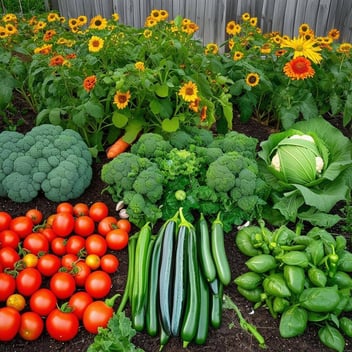
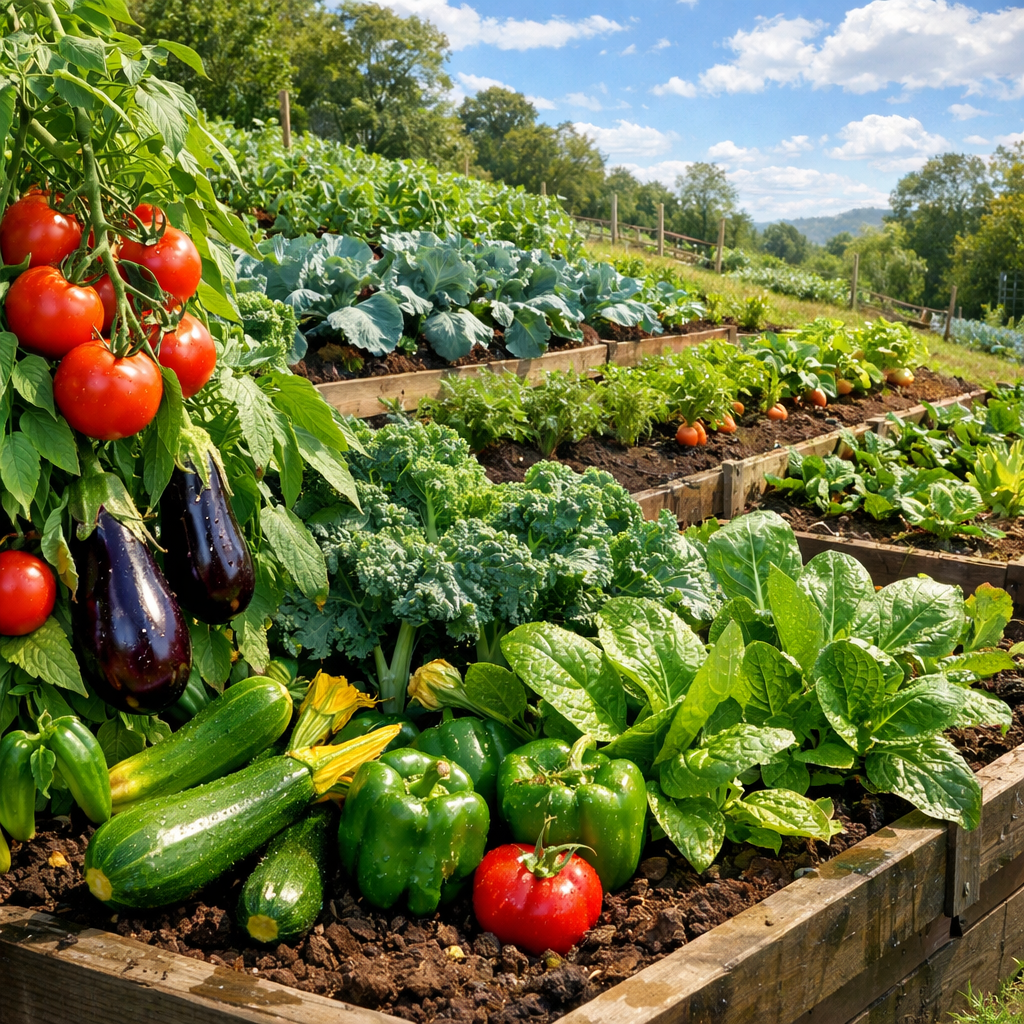
This is the time for heat-loving crops. Tomatoes, eggplants, capsicums, zucchini, and okra revel in the warmth and flourish when moisture is consistent.
Wicking beds shine here. Their reservoir-fed hydration reduces stress during scorching mornings and prevents soil from drying too rapidly. Yet vigilance is essential. Heavy rainfall can saturate beds, so overflow systems must function flawlessly.
Fast growth dominates this season. Plants surge. Vines sprawl. Harvests come thick and fast — provided airflow is maintained and fungal issues are kept at bay.
Autumn Planting Transitions
Autumn is the quiet recalibration. The oppressive heat softens. The air becomes breathable again.
This is one of the most productive planting windows. Leafy greens, brassicas, carrots, and beetroot begin to take centre stage. The soil, still warm from summer, encourages rapid germination, while cooler days reduce plant stress.
Wicking beds transition beautifully through this period. Moisture demands decrease slightly, and nutrient replenishment becomes critical. Compost additions reinvigorate the soil, preparing it for a new wave of growth.
Winter Planting Opportunities
Winter in SEQ is gentle. Frost is rare and fleeting, making it an ideal time for cool-season crops.
Broccoli, cabbage, cauliflower, peas, spinach, and onions thrive in these conditions. Growth slows, but quality improves. Flavours deepen. Textures refine.
Wicking beds require subtle adjustment. Water consumption drops, and overwatering becomes a risk. The reservoir should be monitored carefully to maintain equilibrium without oversaturation.
This is the season of patience. Crops take their time, but they reward that patience with exceptional quality.
Spring Growth Explosion
Spring is a crescendo. The garden awakens with exuberance.
As temperatures rise, planting opportunities expand rapidly. Tomatoes, cucumbers, beans, squash, and herbs surge into action.
This is a season of acceleration. Growth is vigorous. Harvests are abundant. The combination of warming soil and increasing daylight fuels rapid development.
Wicking beds become engines of productivity. Consistent moisture supports explosive growth, while mulching helps regulate temperature and retain water as the heat builds toward summer.
Crop Rotation & Succession Planting Strategies
A wicking bed should never sit idle. Every season flows into the next.
Crop rotation prevents soil fatigue. Leafy crops should follow fruiting crops. Root vegetables can break cycles of nutrient depletion. This rhythm maintains soil vitality and reduces pest pressure.
Succession planting keeps harvests continuous. As one crop finishes, another takes its place. This layered approach transforms a simple garden bed into a dynamic, ever-productive ecosystem.
Soil, Nutrition & Moisture Adjustments by Season
Soil is not static. It evolves with each season.
- Summer demands organic matter to retain moisture and buffer heat
- Autumn calls for replenishment after heavy cropping
- Winter benefits from gentle feeding and microbial support
- Spring requires nutrient-rich soil to fuel rapid growth
Wicking beds require moisture calibration. Summer needs frequent monitoring. Winter requires restraint. The goal is balance — always.
Common Seasonal Challenges in SEQ
Every season brings its own adversaries.
- Summer invites fungal diseases and rapid pest proliferation
- Autumn can see lingering humidity issues
- Winter slows growth but may attract specific pests like aphids
- Spring brings explosive pest activity alongside plant growth
Heavy rain events, especially in summer, can overwhelm poorly designed beds. Drainage and overflow become critical safeguards.
Adaptation is the gardener’s greatest tool. Observation leads. Adjustment follows.
Conclusion
A thriving wicking bed in South East Queensland is not built on chance. It is crafted through rhythm, awareness, and intentional planting.
Each season offers its own palette. Each shift in temperature and rainfall presents an opportunity. When these cycles are understood — truly understood — the garden transforms.
It becomes perpetual. Productive. Resilient.
And ultimately, it becomes a living expression of harmony between climate, soil, water, and grower.