Rockery Plants That Attract Birds to Your Garden
 Trevor Dixon
Introduction
A garden without birds is a silent stage—beautiful, perhaps, but missing its most captivating performers. Introduce the right rockery plants, however, and everything changes. Suddenly, there is movement. Colour flickers through the foliage. A chorus of calls rises with the morning light. In South East Queensland and beyond, a thoughtfully designed rockery can become a thriving avian haven, where stone and plant converge to welcome winged visitors in abundance.
Why Birds Belong in the Rockery Garden
Birds are not mere adornments. They are vital participants in the ecological theatre.
They pollinate. They disperse seeds. They regulate insect populations with quiet efficiency. A single visit from a honeyeater can transfer pollen across multiple plants, enhancing flowering success and biodiversity within the garden. Meanwhile, insectivorous birds patrol tirelessly, reducing the need for chemical intervention.
Beyond function lies delight. The presence of birds imbues a garden with vitality—a dynamic interplay of sound and motion that evolves from dawn to dusk.
Understanding What Attracts Birds
To invite birds, one must think like them.
Food Sources: Nectar, Seeds, and Insects
Different species seek different sustenance. Honeyeaters crave nectar-rich blooms. Finches and small parrots favour seed heads. Wrens and robins hunt for insects hidden within foliage and soil.
A successful rockery offers variety. Diversity ensures that something is always in season, always available.
Shelter and Safe Nesting Spaces
Safety is paramount. Dense shrubs, layered plantings, and strategically placed rocks create refuge from predators and harsh weather. Birds require places to perch, to rest, and to nest—spaces that feel secure and undisturbed.
Top Rockery Plants That Attract Birds
A well-curated plant palette is the heartbeat of a bird-friendly rockery.
Nectar-Rich Natives for Honeyeaters
- Grevillea species – A cornerstone of bird attraction, producing intricate, nectar-laden flowers in shades of red, pink, and orange.
- Callistemon (Bottlebrush) – Cylindrical blooms brimming with nectar, irresistible to honeyeaters and lorikeets.
- Banksia varieties – Bold flower spikes that provide both nectar and visual drama.
These plants act as living beacons, drawing birds from afar.
Seed-Producing Plants for Small Birds
- Lomandra longifolia – Its seed heads offer nourishment while its strappy foliage provides shelter.
- Themeda triandra (Kangaroo Grass) – A native grass that produces abundant seed, beloved by finches.
Seed sources sustain birds long after flowering seasons fade.
Shrubs That Offer Shelter and Protection
- Westringia fruticosa – Dense, resilient, and ideal for nesting.
- Correa species – Compact shrubs with tubular flowers and protective foliage.
These plants create sanctuaries within the rockery, shielding birds from wind and predators.
Designing a Bird-Friendly Rockery Layout
A rockery designed for birds is layered, textured, and alive with possibility.
Layering Plants for Habitat Diversity
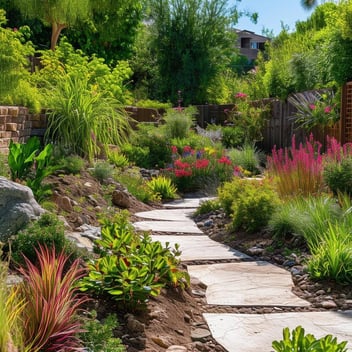
Combine groundcovers, mid-level shrubs, and taller feature plants to mimic natural habitats. This stratification allows multiple bird species to coexist, each occupying its preferred niche.
Integrating Rocks, Perches, and Open Spaces
Rocks serve as more than structural elements. They become perches, lookout points, and thermal refuges. Flat stones warmed by the sun provide ideal resting places, while open spaces allow birds to move freely between plantings.
Balance is essential. Too dense, and movement is restricted. Too sparse, and shelter is lost.
Water Features and Bird-Friendly Additions
Water is a magnet. Even the smallest source can transform your rockery into a bustling hub of activity.
The Importance of Fresh Water
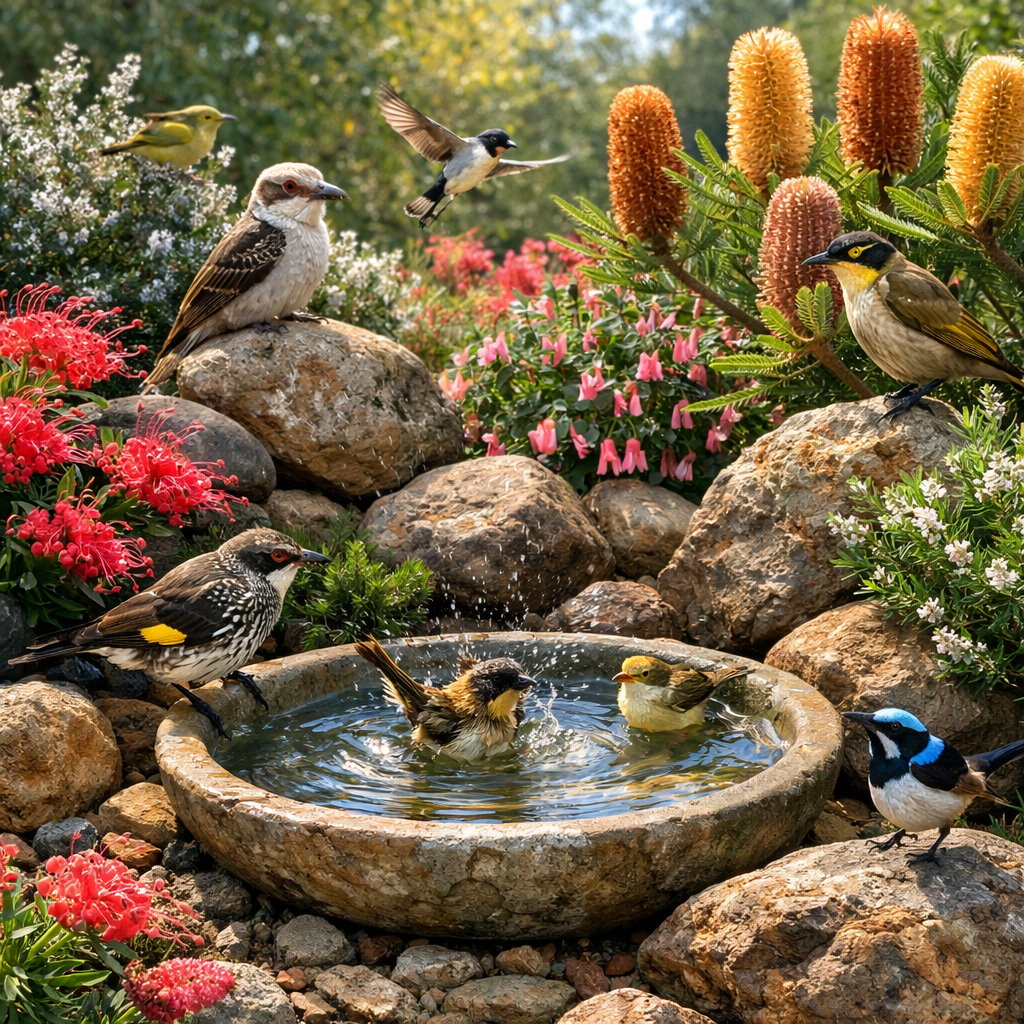
Birds require water not only for drinking but for bathing. Clean, shallow dishes or gently sloping stone basins work best, allowing easy access and safe footing.
Creating Safe Drinking and Bathing Areas
Position water features near shelter but away from hiding spots for predators. Add pebbles or rough surfaces to provide grip. Keep water fresh—clarity invites return visits.
Maintenance Practices That Support Bird Life
A bird-friendly garden thrives on mindful restraint.
Pruning Without Disturbance
Avoid heavy pruning during nesting seasons. Trim selectively, preserving dense growth where birds may shelter or build nests.
Avoiding Chemicals and Preserving Insects
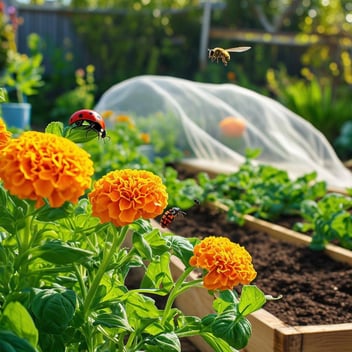
Chemical pesticides disrupt the delicate food chain. Insects are a crucial protein source for many birds, especially during breeding periods. Encourage natural balance instead.
Seasonal Considerations for Bird Attraction
Consistency is the secret to sustained bird activity.
Year-Round Flowering and Food Supply
Select plants with staggered flowering times to ensure a continuous supply of nectar and seed. A garden that feeds year-round becomes a permanent destination rather than a fleeting stop.
Supporting Migratory and Local Species
Different birds appear at different times. By offering diverse resources, your rockery can support both resident species and seasonal visitors, enriching the garden’s ever-changing tapestry.
Conclusion
A rockery planted with intention becomes more than a garden feature—it becomes a sanctuary. Birds arrive first as visitors, then as regulars, and finally as inhabitants woven into the daily rhythm of the space.
Stone anchors the landscape. Plants bring it to life. Birds complete the story.
In this living composition, every bloom, every branch, and every carefully placed rock contributes to a symphony of movement, colour, and song—an enduring testament to the power of designing with nature, not just for it.