Indigenous Plant-Based Remedies: A Historical Perspective
 Trevor Dixon
1. The Origins of Healing Through Plants
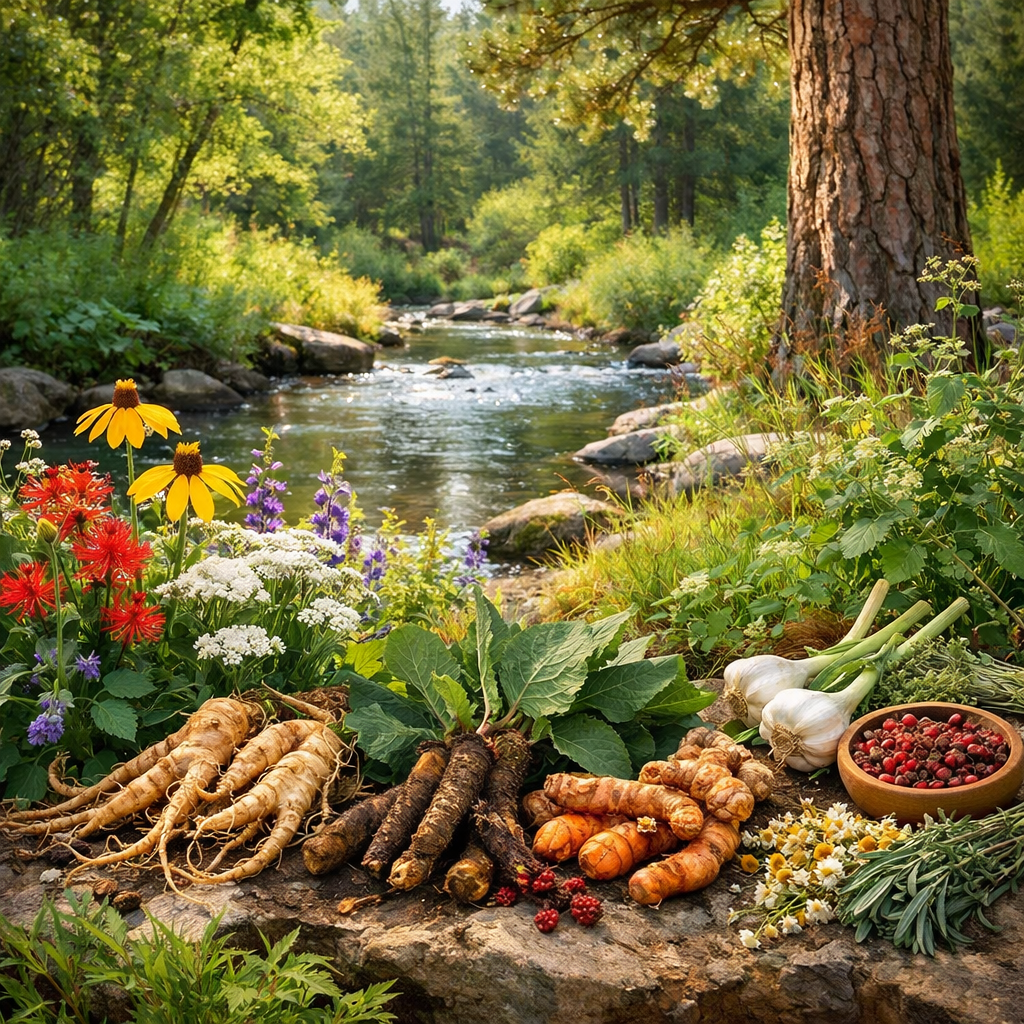
Long before laboratories, before written prescriptions, before the sterile corridors of modern medicine—there were plants. Humanity’s earliest remedies emerged not from textbooks but from the soil beneath bare feet. Leaves were chewed. Bark was brewed. Roots were crushed into poultices. Healing was not an industry; it was an intimate dialogue with the land.
From time immemorial, humans relied on nature for survival, gradually recognising that certain plants soothed pain, healed wounds, and alleviated disease . This primal curiosity marked the genesis of medicine itself. A simple act. A profound beginning.
2. The Birth of Ethnobotany and Early Human Discovery
Observation was the first teacher. Animals grazed selectively. Some plants invigorated; others debilitated. Early humans watched, experimented, remembered. Knowledge accumulated slowly, then deliberately.
This process—now known as ethnobotany—reflects the intricate relationship between people and plants, where cultural understanding and botanical awareness intertwine . What began as instinct evolved into structured wisdom. Patterns emerged. Remedies became refined.
Short lessons. Long consequences.
3. Ancient Civilisations and Plant-Based Medicine
Across the ancient world, plant-based medicine flourished with remarkable sophistication. Civilisations documented herbal remedies, catalogued species, and formalised treatment systems.
From Asia to the Middle East, traditional medical systems relied heavily on plant compounds, many of which continue to influence modern pharmacology today . These early records were more than medical manuals. They were testaments to a deep reverence for nature’s curative potential.
Ink met leaf. Knowledge endured.
4. Indigenous Knowledge Systems Across Continents
Indigenous cultures across the globe cultivated some of the most enduring and nuanced plant knowledge systems known to humanity. Their understanding was not fragmented; it was holistic. Plants were food, medicine, shelter, and spirit.
In Australia, Aboriginal plant knowledge is often described as the oldest continuous pharmacopoeia, with remedies still actively used today . This knowledge was not written in books but embedded in stories, songs, and lived experience. Passed from elder to youth. Generation after generation.
It lived. It adapted. It survived.
5. Plants as Medicine, Ritual, and Identity
Healing was never purely physical. Indigenous plant-based remedies often carried profound spiritual significance, woven into ceremony and identity. A plant was not merely a cure—it was a connection.
In many cultures, illness was viewed as imbalance. Plants restored equilibrium. They cleansed, protected, and guided. Their roles extended beyond the corporeal into the metaphysical, bridging the seen and unseen worlds.
Medicine was ritual. Ritual was medicine.
6. Colonisation and the Disruption of Traditional Knowledge
The arrival of colonial systems fractured these intricate knowledge networks. Land was displaced. Cultural transmission interrupted. Sacred knowledge was often dismissed, suppressed, or appropriated.
Yet resilience persisted. Indigenous communities adapted, preserving fragments of their botanical wisdom despite immense upheaval. In many cases, colonisers relied heavily on Indigenous plant knowledge, even as they marginalised its origins.
A paradox. A quiet endurance.
7. The Scientific Rediscovery of Indigenous Remedies
Modern science, in its relentless pursuit of innovation, has increasingly turned back to ancient knowledge. Ethnobotany now serves as a bridge—linking traditional wisdom with empirical research.
Many contemporary medicines trace their origins to plant-based remedies discovered through Indigenous practices. Across continents, researchers continue to investigate these natural compounds, recognising their immense therapeutic potential.
What was once dismissed is now rediscovered. Validated. Revered.
8. Preservation and Revival in the Modern Era
Today, a renaissance is unfolding. Indigenous communities, scholars, and environmental stewards are working to preserve and revitalise traditional plant knowledge.
This revival is not merely academic. It is cultural. It is ecological. It is essential. Protecting this knowledge safeguards biodiversity, strengthens cultural identity, and offers sustainable pathways for future healthcare.
The past is not gone. It is awakening.
9. Reclaiming Wisdom from the Past
Indigenous plant-based remedies are more than historical artefacts. They are living systems of knowledge, rich with insight and relevance.
As modern society grapples with sustainability, health crises, and ecological imbalance, these ancient practices offer guidance. They remind us that healing does not always come from complexity. Sometimes, it comes from connection—to land, to culture, to nature itself.
A simple truth.
The oldest medicine may still be the most profound.