Harvesting and Storing Bananas: What Every SEQ Gardener Should Know
 Trevor Dixon
Introduction
Few crops embody the lush abundance of South East Queensland quite like bananas. Towering, generous, and almost perpetually productive, banana plants reward gardeners with cascading hands of fruit that seem to arrive all at once. Yet this generosity comes with a caveat. Without proper harvesting and storage techniques, a perfect bunch can swiftly transition from pristine to overripe chaos. Mastery lies not just in growing bananas, but in stewarding them from harvest to table with precision.
Understanding Banana Growth and Ripening
How Bananas Develop on the Plant
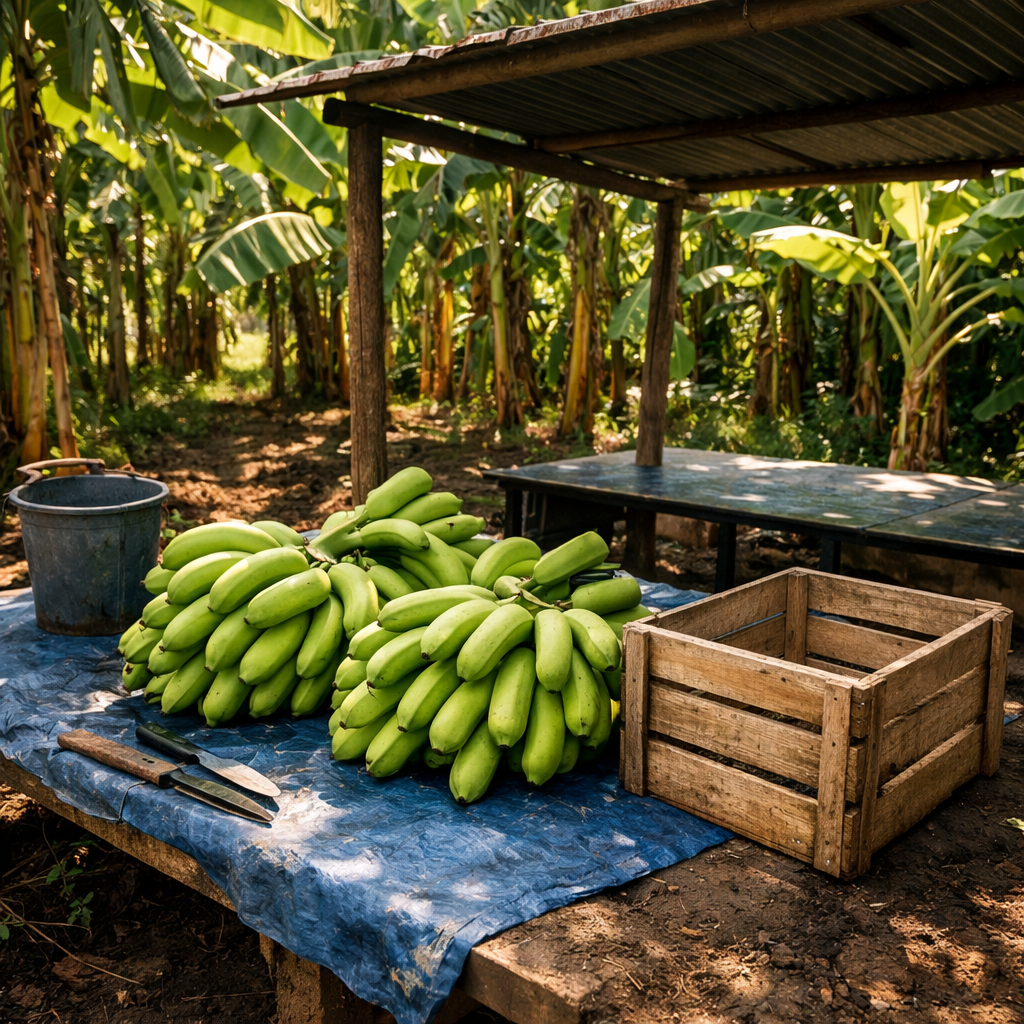
Bananas are harvested unlike most fruits. They do not wait for peak sweetness on the plant. Instead, they are cut while still green and firm, allowing ripening to occur off the plant. This approach protects the fruit from pests, splitting, and uneven maturation.
Each banana hand gradually fills out, transforming from angular ridges to rounded, plump fruit. This rounding is the quiet signal of readiness — a subtle morphological shift that indicates maturity without full ripeness.
The Science of Ripening and Ethylene Production
Bananas are ethylene powerhouses. This natural plant hormone governs ripening, converting starch into sugars and softening the fruit. Once harvested, bananas continue to ripen rapidly due to this gas.
Temperature plays a decisive role. Warm conditions accelerate ripening, while cooler environments slow the process. Controlled storage at around 13°C can significantly delay ripening, extending shelf life.
When to Harvest Bananas in SEQ
Identifying the Perfect Stage of Maturity
Timing is everything. Harvest too early and flavour suffers. Too late, and fruit becomes vulnerable to splitting and pests.
Look for these indicators:
- Fruit has lost its sharp angular edges
- Bananas appear full and rounded
- The bunch has reached expected size for the variety
Commercial growers harvest at the green stage specifically to maximise storage potential and transport resilience.
Seasonal Timing in a Subtropical Climate
In SEQ, bananas can be harvested year-round. However, growth accelerates in warmer months, meaning faster development and quicker turnover. During cooler periods, maturation slows, offering a slightly extended window for harvest timing.
How to Harvest Bananas Correctly
Tools and Techniques for Safe Harvesting
Harvesting a banana bunch is a deliberate act. The weight alone demands preparation.
- Use a sharp machete or pruning saw
- Support the bunch before cutting
- Cut the main stem carefully to avoid sudden drops
A second person can help guide the bunch down safely — a practical necessity for large harvests.
Minimising Damage and Bruising
Bananas bruise easily. Even minor impacts can trigger premature spoilage.
Handle with care. Avoid stacking or dropping fruit. Keep harvested bunches shaded and cool immediately after cutting. Export standards emphasise blemish-free fruit for a reason — damage drastically reduces shelf life.
Post-Harvest Handling and Ripening Control
Managing Ripening After Harvest
Once harvested, bananas begin their inexorable journey toward ripeness. The goal is control, not prevention.
Keep bunches in a well-ventilated, shaded area at ambient temperature. This allows gradual, even ripening. Excess heat or enclosed spaces accelerate the process dramatically.
Encouraging or Slowing Ripening Naturally
To speed ripening:
- Place bananas in a paper bag
- Add an ethylene-producing fruit like an apple
To slow ripening:
- Separate bananas from other fruits
- Increase airflow around the bunch
Ethylene concentration is the invisible conductor orchestrating this process. Manage it wisely.
Best Storage Practices for Bananas
Room Temperature Storage in SEQ Conditions
Bananas thrive at room temperature — not too hot, not too enclosed. Store them in a shaded, ventilated space away from direct sunlight.
Hanging bananas is particularly effective. It prevents bruising and allows airflow, reducing the accumulation of ethylene gas around the fruit.
Refrigeration and Its Effects
Refrigeration is a nuanced tool. Use it only once bananas are fully ripe.
Cold temperatures halt the ripening process, preserving the flesh for a few extra days. However, the peel will darken — a cosmetic change, not a sign of spoilage.
Storing unripe bananas in the fridge, however, disrupts their natural ripening and can degrade texture and flavour.
Long-Term Storage and Preservation Options
Freezing Bananas for Later Use
Freezing is the ultimate safeguard against waste.
- Peel bananas first
- Slice or leave whole
- Store in airtight containers or bags
Frozen bananas are ideal for smoothies, baking, and desserts. They retain sweetness even as texture softens.
Using Overripe Bananas Creatively
Overripe bananas are not a failure — they are an opportunity.
Their intensified sweetness makes them perfect for:
- Banana bread
- Muffins
- Pancakes
- Smoothies
Every stage of ripeness has culinary value when approached creatively.
Common Mistakes to Avoid
Storage Errors That Reduce Shelf Life
- Storing in sealed plastic bags traps moisture
- Placing near other fruits accelerates ripening
- Exposing to direct sun causes uneven softening
Each of these errors shortens the usable life of your harvest.
Handling Mistakes That Cause Spoilage
- Dropping or stacking bananas leads to bruising
- Cutting bunches without support causes impact damage
- Leaving harvested fruit in heat accelerates decay
Gentle handling is not optional — it is essential.
Conclusion
Bananas are both generous and demanding. They offer abundance, yet require attentiveness. From the moment the bunch is cut to the final slice in the kitchen, each decision shapes quality, flavour, and longevity.
In South East Queensland, where conditions favour growth, the true skill lies not in producing bananas — but in mastering their journey. Harvest with intention. Store with insight. And transform every bunch into a lasting reward of your garden’s vitality.