Edible Annuals for SEQ: Vegetables and Herbs for Your Garden
 Trevor Dixon
Introduction
Imagine harvesting vegetables and herbs from your own backyard — fresh tomatoes, aromatic basil, crisp leaves for salad, all nurtured under the generous subtropical sun of South East Queensland (SEQ). With a few well-chosen annuals, a small patch of soil can become a flourishing kitchen garden. In SEQ, the climate lends itself beautifully to seasonal sowing, rapid growth, and flavorful harvests.
SEQ’s Climate and How It Shapes Edible Gardening
SEQ’s climate is predominantly warm, humid and generous. Summers are often hot and damp. Winters are mild and relatively dry. This environment dictates which plants thrive and which struggle.
Edible gardening in SEQ benefits from long growing seasons, frequent rainfall (or at least access to water), and abundant sunshine. But the humidity and heat also demand plants that are resilient — whether to sudden downpours or dry spells, shifting temperatures, and occasional soil fatigue. Choosing edibles adapted to these conditions maximises success.
Criteria for Choosing Good Annual Edibles in SEQ
When selecting vegetables and herbs for an SEQ garden, prioritise:
-
Heat and Humidity Tolerance: Choose plants that flourish under warmth and resist fungal or rot problems.
-
Rapid Growth & Short Harvest Cycles: Annuals that mature quickly help navigate unpredictable weather and deliver fresh produce sooner.
-
Adaptability to Soil and Water Conditions: With variable summer rainfall and sometimes poor drainage, plants that cope with moisture and lighter soils tend to perform better.
Top Annual Vegetables for SEQ Gardens
-
Tomatoes & Chillies
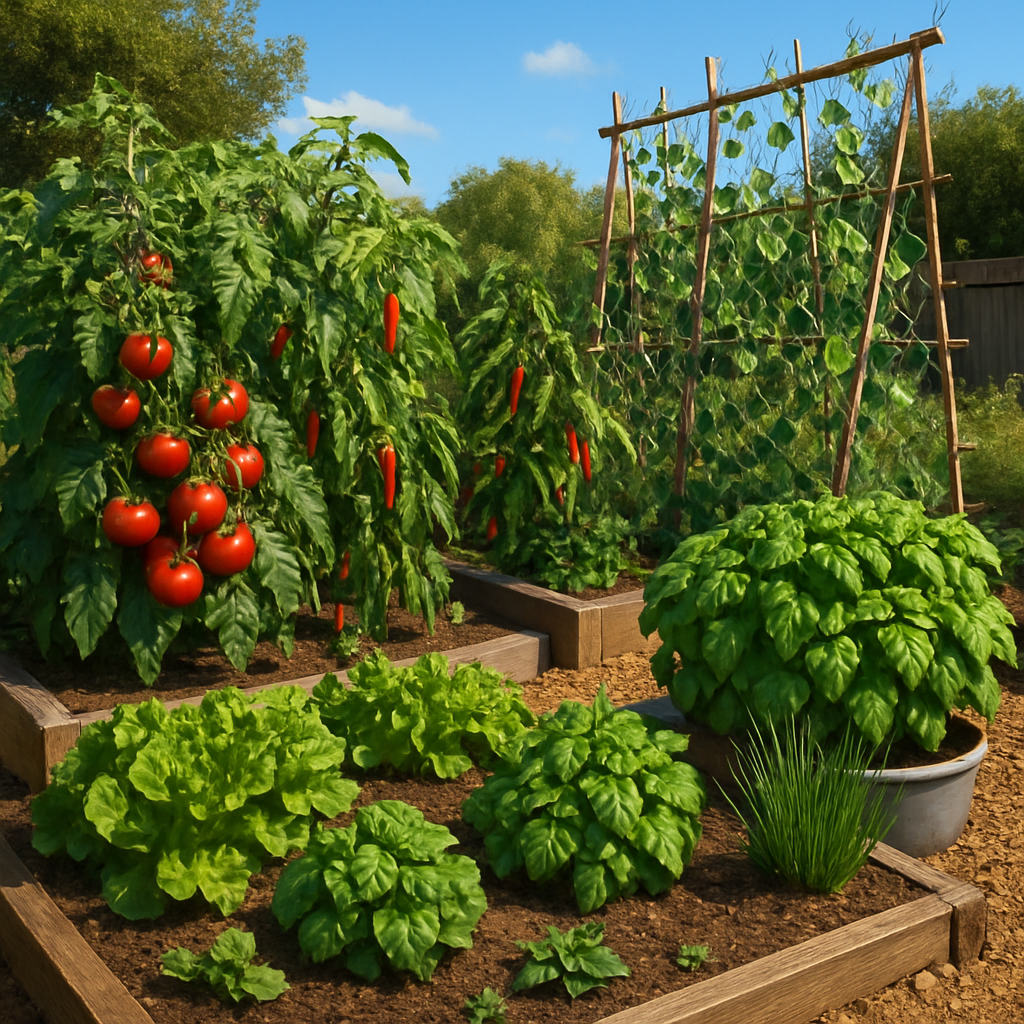
Juicy tomatoes and fiery chillies love full sun and warmth. In SEQ’s spring through summer, these fruiting plants produce abundantly — perfect for sauces, salads, or stir‑fries. With staking and regular feeding, they reward gardeners generously. -
Beans & Peas
Beans (bush or climbing) and peas are dependable yields. They germinate quickly and often tolerate heat if given regular water. Their compact size makes them ideal for smaller gardens. They also enrich soil by fixing nitrogen — a bonus for following crops. -
Cucumbers & Zucchinis
These prolific climbers and spreaders exploit the warm season. Under trellis or in open beds, they deliver abundant harvests of crunchy cucumbers or summer squash. Frequent picking keeps plants productive. -
Leafy Greens & Roots: Lettuce, Silverbeet, Radish
For cooler periods or shaded patches, greens and root vegetables provide steady nourishment. Silverbeet (chard), lettuce, and radishes tolerate mild winters and early springs, supplying fresh leaves and salad basics whenever grocers’ produce seems lacklustre.
Top Herbs and Aromatics for SEQ Gardens
-
Basil & Chives
Basil thrives in SEQ’s warmth and sunlight. Regular harvesting (snipping leaves) encourages bushiness and prolongs its lifespan. It becomes the cornerstone of summer cooking — perfect for pesto, salads, sauces.
Chives — hardy, low‑maintenance, and wonderful in containers or beds — add subtle oniony flavour to meals and flourish with minimal fuss. -
Lemongrass & Mint
Lemongrass relishes full sun, moist soil, and regular watering — conditions common in many SEQ gardens. Its citrusy stalks flavor stir‑fries, teas, marinades.
Mint flourishes even in partially shaded, moist spots. In containers, it's a prolific grower — ideal for drinks, desserts, or herb bundles, with minimal maintenance. -
Oregano, Parsley, Thai Coriander (Culantro)
These herbs adapt well to garden beds or pots. Parsley and oregano prefer sun and well‑drained soil; once established, they tolerate dry spells.
Thai coriander (culantro) thrives in warm, shaded spots — ideal for those humid corners of the garden — and brings bold flavour to Asian‑style dishes.
When to Plant: Seasonal Planting Guide for SEQ
-
Spring (Sept–Nov): As daylight increases and soil warms, plant tomatoes, chillies, beans, cucumbers, zucchini, and leafy greens.
-
Early Summer: Herbs like basil, mint, lemongrass, parsley, oregano flourish. Pots or garden beds both work.
-
Autumn & Winter: Cooler-season vegetables — silverbeet, radish, lettuce and other leafy greens — perform well in milder temperatures.
-
Succession Planting: Re‑sow seeds or plant new batches to ensure continuous harvests — especially helpful when earlier plants finish or summer heat wanes.
Soil, Watering and Maintenance Tips for Edible Annuals
-
Soil Preparation & Drainage: Enrich soil with compost or well-rotted organic matter. Ensure good drainage, especially for root crops and herbs.
-
Mulching: Use organic mulch to conserve moisture, suppress weeds, and moderate soil temperature — especially crucial through humid summers.
-
Watering Regime: Water deeply but less frequently to encourage strong root systems. Early morning watering helps reduce fungal risks.
-
Fertilization: Use balanced, slow‑release or organic fertilisers. Fruiting plants (like tomato, chilli, cucumber) benefit from extra potassium.
-
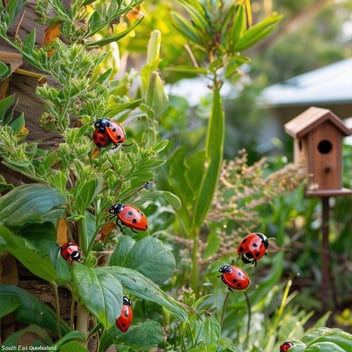
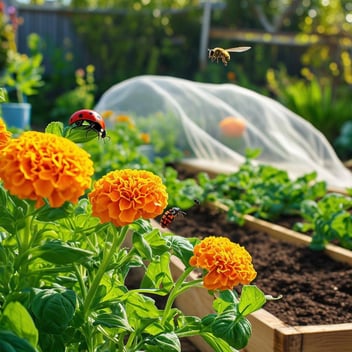
Pest & Disease Vigilance: Monitor for common pests (aphids, slugs) and fungal issues. Encourage beneficial insects or use gentle, garden‑safe controls.
Designing a Productive and Beautiful Edible Garden
-
Blend Edibles with Ornamentals: Intermingle herbs and vegetables with ornamental plants — the garden becomes both functional and decorative.
-
Use Containers & Raised Beds: Great for smaller yards; containers let you control soil and drainage. Raised beds warm quickly and drain well, giving an edge in SEQ’s wet‑dry cycles.
-
Companion Planting: Grow complementary species together — e.g. basil with tomatoes, lettuce under taller plants, herbs near veggies — to maximise space and soil health.
Common Challenges and How to Overcome Them
-
Heat Stress & Humidity: Provide afternoon shade for sensitive plants; use mulch; ensure airflow to avoid fungal growth.
-
Pests & Beneficial Insects: Avoid broad‑spectrum insecticides; instead attract pollinators and natural predators. Use row covers if needed.
-
Soil Fatigue: Rotate crops, include legumes (beans) to restore nitrogen, and use compost to replenish nutrients.
Conclusion
Growing your own vegetables and herbs in SEQ is both rewarding and practical. From sun‑ripened tomatoes to fragrant basil, from crisp lettuces to zesty mint, the possibilities are rich and varied. By selecting plants adapted to SEQ’s climate — and by sowing, caring, and harvesting intelligently — you can cultivate a garden that feeds both body and soul. Start small, experiment, and enjoy the harvests.