DIY Herbal First Aid Kit: Plants You Can Grow in South East Queensland
 Trevor Dixon
1. Introduction
Why Having a Herbal First Aid Kit Matters
Emergencies don’t always come with warnings. Minor burns, scrapes, stings—they happen. A well-stocked herbal first aid kit allows you to respond with care, using what grows in your own garden. Natural remedies can soothe, disinfect, heal.
The Advantage of Growing Your Own Medicinal Plants in SEQ
South East Queensland’s subtropical environment—warm, humid summers, mild winters—offers fertile ground for many medicinal herbs. Growing them at home ensures freshness, potency, and access when traditional remedies are needed. It also reduces dependency on store‑bought alternatives.
2. Criteria for Selecting Plants
Ease of Cultivation in SEQ’s Climate
Plants that thrive in well‑drained soil, tolerate humidity, and are resilient to occasional heat waves are winners here. Choose herbs that are drought tolerant or can handle afternoon shade. SEQ is generous—but plants must be adapted.
Medicinal Uses Relevant to First Aid
Focus on herbs with anti‑inflammatory, antimicrobial, skin‑soothing, pain‑relieving, or calming properties. These are the ones that step in when injuries occur: burns, cuts, insect bites, rashes, headaches.
3. Top Herbal Plants to Grow for First Aid in SEQ
Aloe Vera (Aloe barbadensis miller) — Burns, Cuts, Skin Soothing
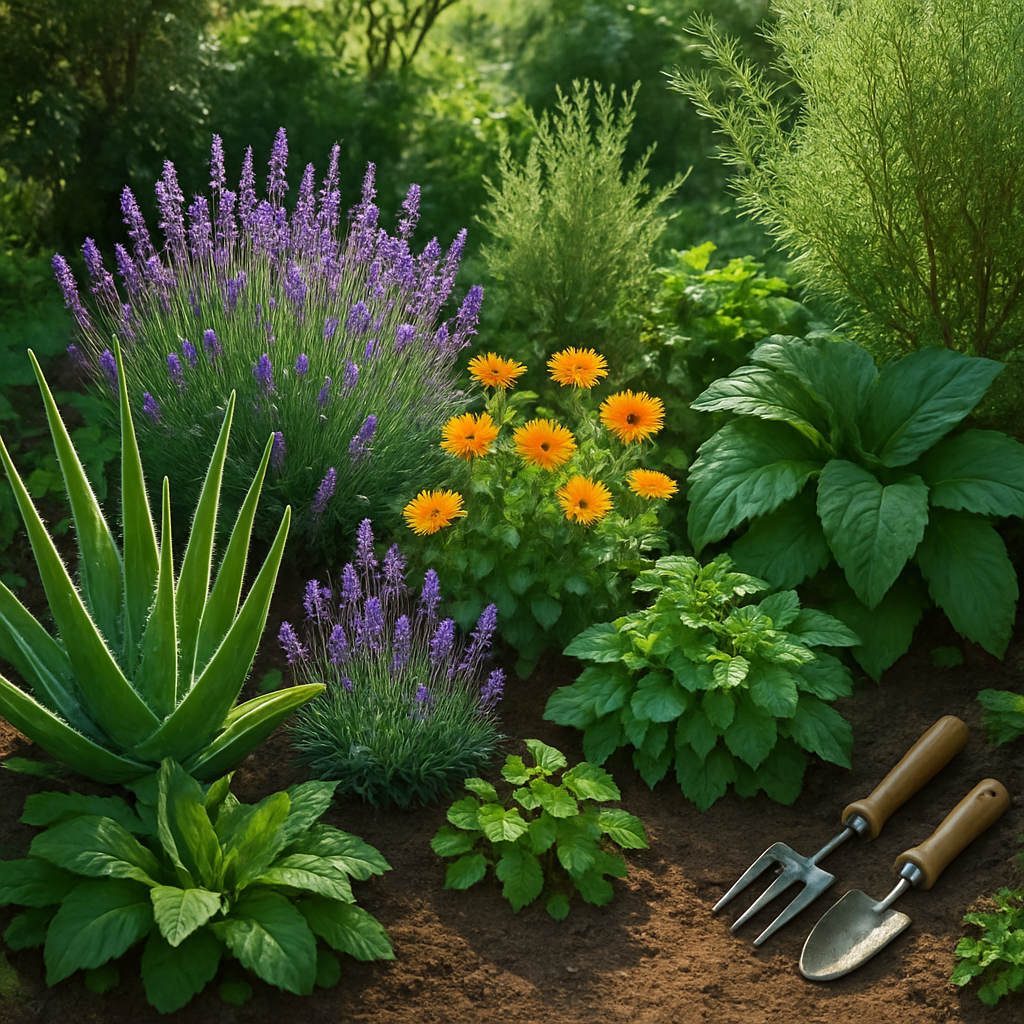
Aloe offers a cooling gel that calms burns and accelerates healing of minor wounds. The succulent nature suits SEQ’s sun and occasional drought. Grow in pots or ground; ensure excellent drainage.
Lavender (Lavandula spp.) — Calming, Antiseptic, Wound Healing
With its fragrant purple blooms, lavender offers antiseptic and calming effects. It helps with anxiety, minor wounds, and insect bites. Requires full sun and well‑drained soil.
Calendula (Calendula officinalis) — Anti‑Inflammatory, Skin Repair
The rich orange and yellow petals are more than pretty—they’re powerful. Calendula soothes inflammation, aids skin regeneration, and can be turned into salves or infused oils.
Tea Tree / Melaleuca (Melaleuca spp.) — Antimicrobial, Infections
Melaleuca, including tea tree, is iconic in Australian herbal medicine. Its oil fights bacteria, fungi, and helps deter infection in cuts and abrasions. Leaves can be infused or distilled to make oils.
Peppermint (Mentha × piperita) — Headaches, Digestive Upsets
Peppermint’s menthol offers cooling relief for headaches, and its aroma can settle upset stomachs. It grows fast, needs moisture, and benefits from pruning to prevent sprawl.
Comfrey (Symphytum officinale) — Bruises, Sprains
Comfrey’s roots and leaves are known for their ability to help with bruises and sprains by promoting tissue repair. It’s hearty, but best used externally due to internal toxicity concerns.
Gotu Kola (Centella asiatica) — Wound Healing, Skin Regeneration
Gotu Kola is prized in many traditional medicines for boosting wound healing and skin integrity. Its leaves are tender; prefers moist, shaded spots.
4. Growing Essentials for a Successful Medicinal Garden in SEQ
Soil, Sunlight, Water Needs
Medicinal herbs need fertile, well‑drained soil. Incorporate organic compost. Mulch helps retain moisture. Most want at least 5‑6 hours of sun; some like partial shade. Water deeply but infrequently to promote strong roots.
Containers vs Ground Planting
Containers allow better control—soil, drainage, mobility. Great for aloe and lavender. Ground beds are ideal for plants that spread or want more root space (comfrey, calendula). Use raised beds if clay soil is heavy.
5. Harvesting, Processing & Storing Herbs
Knowing When to Harvest
Harvest in the morning after dew dries but before midday heat. For flowers, pick when in full bloom; for leaves, just before flowering for best potency. Roots and rhizomes harvested in dormant seasons.
Methods (Drying, Infusing, Crushing)
Dry herbs in shade with good air flow. Use infusions (steeping in water) for leaves/flowers; infuse oils for external use; crush fresh leaves for immediate application. Avoid overheating herbs to preserve volatile compounds.
Safe Storage Practices
Store dried herbs in airtight, dark glass jars. Label with name and date. Keep oils cool and away from sunlight. Use sealed containers to protect from moisture and pests.
6. Making Simple First Aid Remedies at Home
Aloe Gel for Burns and Cuts
Slice open an aloe leaf, scoop out gel. Apply directly to soothe burn, reduce pain, and assist healing. Can combine with a little coconut oil and beeswax for a longer‑lasting balm.
Calendula Salve for Skin Irritations
Infuse calendula petals in mild oil. Strain. Heat gently with beeswax to make salve. Use on rashes, minor abrasions, chapped skin.
Tea Tree Oil Infusion for Minor Infections
Dilute tea tree oil in a carrier oil (jojoba, olive) for applying to small wounds or insect bites. Avoid undiluted oil as it may irritate.
Peppermint Compress for Headaches
Crush fresh peppermint leaves; steep in hot water; soak cloth; cool slightly and apply to forehead or temples. The menthol vapour and cooling sensation help relieve tension.
7. Safety Precautions & Ethical Considerations
Correct Identification and Possible Allergies
Ensure you have the right plant. Some herbs have look‑alikes that are toxic. Perform a patch test before full use, especially with essential oils or topical applications.
Dosage & Potency Concerns
Even natural remedies can be strong. Use mild concentrations first. Be cautious with internal use—some herbs safe externally may not be safe internally. Do research or consult herbalist or medical professional.
Respecting Traditional Knowledge & Native Plants
Acknowledge and honour Indigenous knowledge about plant uses. If using native species, ensure sustainable cultivation rather than wild harvesting, to preserve ecosystems.
8. Maintaining and Expanding Your Herbal First Aid Kit
Seasonal Maintenance and Plant Rotation
Rotate plants to keep soil healthy. Trim, deadhead, remove diseased parts. Monitor for pests. Provide shade or protection in very hot periods.
Propagation Techniques
Use cuttings, division, or seeds to expand. Many herbs (like comfrey, mint, calendula) spread easily—use propagation to share or expand sections.
Sharing and Community Growth
Share excess herbs with neighbours. Exchange remedies or knowledge. Community gardens can be excellent spaces to cultivate and learn together.
9. Conclusion
Building a DIY herbal first aid kit with plants you can grow in South East Queensland empowers you to respond naturally to common injuries. By learning cultivation, harvesting, and remedy‑making, you create resilience in your garden and health in your life. The journey is gradual. The results are deeply rewarding. Let your garden become your first line of gentle, green defence.