Common Challenges in Organic Gardening in South East Queensland
 Trevor Dixon
Introduction
Organic gardening evokes visions of flourishing greens, vibrant herbs and fresh homegrown produce. In the subtropical haven of South East Queensland (SEQ), that dream feels tantalisingly within reach. Yet reality often arrives with a swirl of humidity, erratic rainfall and relentless pests that can challenge even the most earnest gardener. Understanding the obstacles is the first step to building a resilient, thriving organic garden in this region.
Climatic and Environmental Hurdles
The hallmark of SEQ’s subtropical climate — scorching summers, sticky humidity, sudden torrential downpours — can be both boon and bane. Heat stress stunts delicate plants, causing bolting or bitter harvests. Humidity breeds fungal issues. Then come intense rains, which can waterlog soils or wash away nutrients. These swings demand nimble gardening: timing, shade, shelter — and sometimes, a bit of luck.
Soil itself can betray gardeners. Many yards have clay-heavy or poorly drained soils, which puddle in storms or bake in heat. Others may be sandy and nutrient‑poor, with high leaching under heavy rain. Either extreme challenges organic gardeners striving to build fertile, balanced soil.
Pest Pressure Year‑Round
SEQ’s warm climate offers pests near-perfect conditions — mild winters and early springs mean many insect pests never truly leave. Sap‑sucking aphids, voracious caterpillars, whiteflies, leaf‑eaters and scale insects can feast continuously.
Generations overlap. Eggs hatch, larvae feed, adults lay more eggs — often before you’ve even finished your last round of pest control. This relentless cycle transforms pest management into a constant vigil.
What makes it worse: many pests attack at multiple stages — root feeders, stem borers, leaf miners — meaning no plant type is ever truly safe. Mixed plantings and organic methods require diligence.
Fungal and Disease Threats
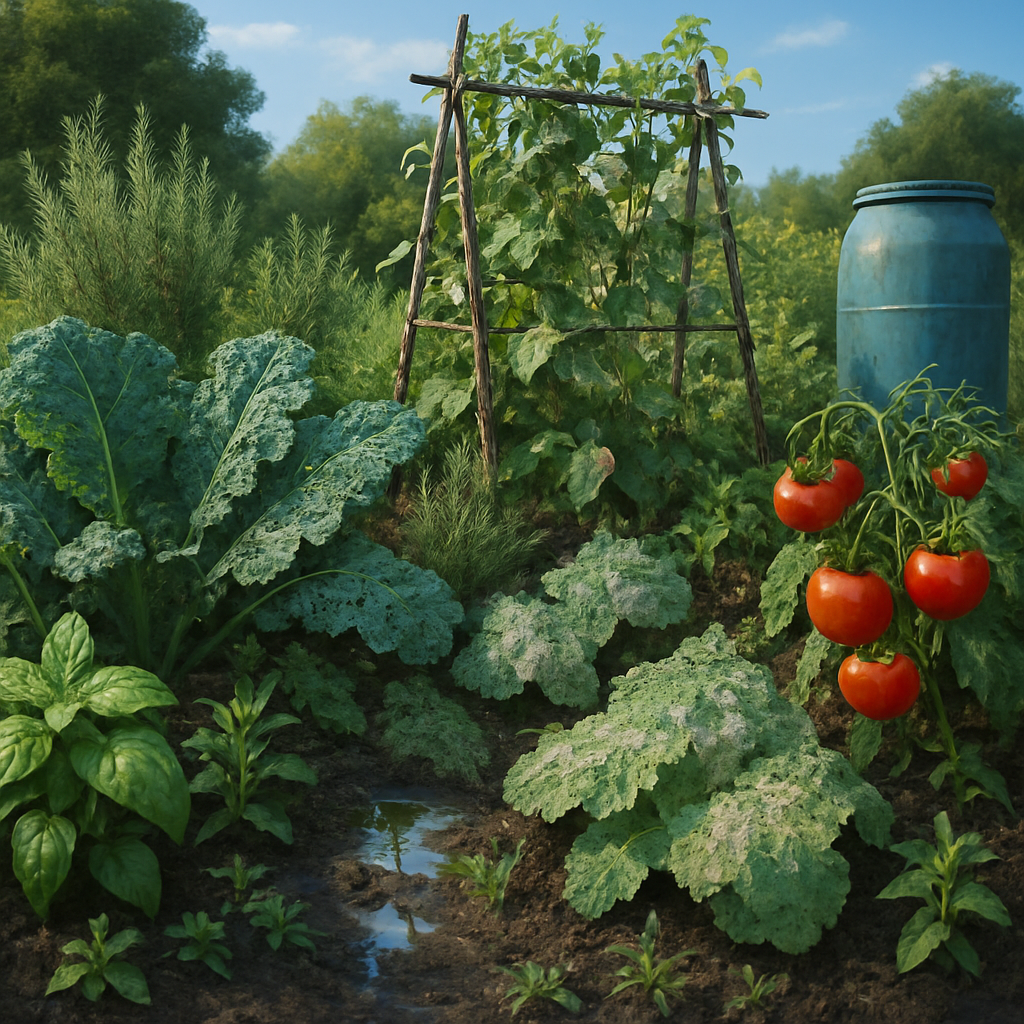
Humidity, warmth and damp soil — a lethal cocktail for fungal pathogens. Gardens in SEQ frequently face powdery mildew, root rot, anthracnose and other fungal or bacterial diseases.
Frequent heavy rains saturate soil, depriving roots of oxygen — a perfect recipe for root rot. Leaf surfaces stay damp under humid nights, enabling fungal spores to germinate and proliferate.
Even seasonal transitions don’t give a break. Rather than fade out in winter, many pathogens persist, lying in wait until spring warmth triggers a resurgence.
Soil Degradation & Fertility Challenges
On many urban plots in SEQ, soils are overworked, compacted, or void of organic matter. Years of fruiting, weeding and planting can deplete soils of humus, beneficial microbes and essential minerals.
Compounding this: heavy rainfall can leach nutrients and wash away topsoil. Sandy soils lose nutrients rapidly; clays stay compacted and oxygen‑poor. Without regular composting, mulching and organic amendment, soil fertility — and the foundation of organic gardening — rapidly deteriorates.
pH imbalance also rears its head. Rain can acidify soil over time, or mineral poor soils can lock up nutrients, denying plants even though nutrients are present.
Water Management & Irrigation Difficulties
SEQ’s rainfall is capricious. Weeks of rain may be followed by drought; sudden storms may flood, then bring weeks of dryness. A gardener may find themselves watering deeply one day, then wrestling with waterlogging the next.
Organic gardens rely on moisture — but too much is disastrous (root rot, fungal disease), too little is desiccation. Finding that balance requires thought: raised beds, mulches, good soil structure and irrigation planning.
During heatwaves, evaporation and plant water demand spike. Without frequent watering, crops wilt fast. But excessive watering during humid spells invites disease. It’s a perpetual tightrope walk.
Weeds and Competitive Growth
When soil is moist, warm and fertile, it’s not just your vegetables that thrive — weeds explode. Vigorous weed growth competes with crops for nutrients, water and light. Unchecked, weeds can dominate beds within weeks.
Because organic gardens avoid heavy herbicides, weed control becomes labour‑intensive: regular hand‑weeding, mulching, and ground cover strategies. It’s a constant battle — one that many new gardeners underestimate.
Seasonal Timing & Plant Survival
SEQ’s climate doesn’t conform to textbook planting calendars. Summer can stretch nearly six months, as one SEQ gardener observed.
Cool‑season vegetables (lettuce, broccoli, spinach) may bolt or fail under early heat. Warm‑weather crops may scorch in sudden heat‑waves, or rot under heavy rain. Storms can shred tender leaves. A mis‑timed planting means lost yield.
Gardeners must plan around local microclimates, anticipate weather shifts and sometimes accept that even the best‑laid plans will be upended by climate’s whims.
Sustainability and Maintenance Pressure
Organic gardening in SEQ is not a casual pastime. The combined demands of pest vigilance, soil care, mulching, watering, weeding and disease monitoring require significant time and effort.
Many gardeners burn out when yields don’t match labour — especially in the face of repeated setbacks like pest outbreaks or plant losses due to weather. Maintaining enthusiasm and consistency becomes a challenge in itself.
Yet sustainability demands diligence. Consistent composting, soil care, rotation, integrated pest management, and water‑wise practices underpin long‑term success. It’s a marathon, not a sprint.
Conclusion: Navigating the Challenges for Resilient SEQ Gardens
Organic gardening in South East Queensland is a dance between nature’s generosity and its temperamental moods. From relentless pests to fickle weather, from soil degradation to bursting weeds — the challenges are many.
But with awareness, resilience, and strategic practices, a thriving, sustainable garden is not just possible — it becomes a rewarding endeavor. Adaptive planning, soil stewardship, ecological pest control, water‑wise irrigation, and patient observation turn obstacles into opportunities.
Cultivating beauty and bounty in SEQ means acknowledging its wild edges — and dancing gracefully with them.