Acidic or Alkaline? Balancing Soil pH in South East Queensland
 Trevor Dixon
Introduction
Beneath every thriving garden lies an invisible equilibrium — a chemical harmony that determines whether plants flourish or falter. Soil pH is that quiet orchestrator. In South East Queensland, where rainfall, soil composition, and climate conspire to shape the land, understanding and balancing soil pH becomes not just beneficial, but transformative.
What is Soil pH and Why It Matters
Soil pH is a measure of how acidic or alkaline your soil is, sitting on a scale from 1 to 14, with 7 considered neutral. Below 7, acidity dominates. Above it, alkalinity takes hold.
But this isn’t just chemistry for curiosity’s sake. It is the gatekeeper of nutrients.
When pH drifts too far in either direction, essential nutrients become locked away — tantalisingly present yet inaccessible. Plants starve in fertile soil. Leaves yellow. Growth slows. Even the most meticulous fertilising becomes futile if the pH is wrong, because plants simply cannot absorb what they need.
Typical Soil pH Conditions in SEQ
South East Queensland soils are often naturally acidic. This is no coincidence. It is the legacy of high rainfall, which gradually leaches alkaline minerals from the soil profile over time.
In fact, across Queensland, soils commonly fall within the acidic range, particularly in higher rainfall zones where pH levels tend to sit between 5 and 7.
This means many SEQ gardeners are already working with soil that leans toward acidity — sometimes beneficial, sometimes limiting. Understanding this baseline is the first step toward intelligent soil management.
Testing Your Soil pH
Before making any changes, the soil must speak. Testing reveals its current state.
- DIY test kits are widely available and simple to use. A small soil sample, a reagent, and a colour change will indicate your pH level.
- Test multiple areas of the garden. Soil can vary dramatically even within a single yard.
A reading between 5.5 and 7.5 is generally ideal for most plants, offering optimal nutrient availability and biological activity.
Testing once or twice a year — especially after heavy rains or fertilisation cycles — keeps your soil management precise and purposeful.
Recognising pH Imbalances in Your Garden
Soil often reveals its secrets through plant behaviour.
Signs of acidic soil issues include:
- Stunted growth
- Yellowing leaves despite fertilising
- Poor root development due to toxicity
Strongly acidic soils can even lead to aluminium or manganese toxicity, which damages roots and restricts growth.
Signs of alkaline soil problems include:
- Nutrient deficiencies such as iron or zinc
- Pale or chlorotic foliage
- Poor flowering or fruiting
Both extremes disrupt the delicate balance required for plant vitality.
How to Raise Soil pH in SEQ Reducing Acidity
When soil becomes too acidic, it needs gentle elevation.
- Agricultural lime is the classic solution. It neutralises acidity and improves nutrient availability.
- Dolomite lime adds magnesium alongside calcium — a dual benefit for depleted soils.
- Application timing matters. Lime should be applied well before planting, allowing time to integrate and react.
The process is not instant. It is a gradual recalibration — a slow return to equilibrium.
How to Lower Soil pH in SEQ Reducing Alkalinity
Though less common in SEQ, alkaline soils can still occur, especially in disturbed or imported soils.
- Organic matter is the most elegant solution. Compost, mulch, and manure gently acidify soil while improving structure.
- Elemental sulfur can be used for more targeted adjustments, though it should be applied cautiously.
The key is patience. Sudden changes can shock soil biology. Gradual shifts allow the ecosystem to adapt.
Choosing Plants Based on Soil pH
Sometimes the smartest strategy is not to fight the soil — but to align with it.
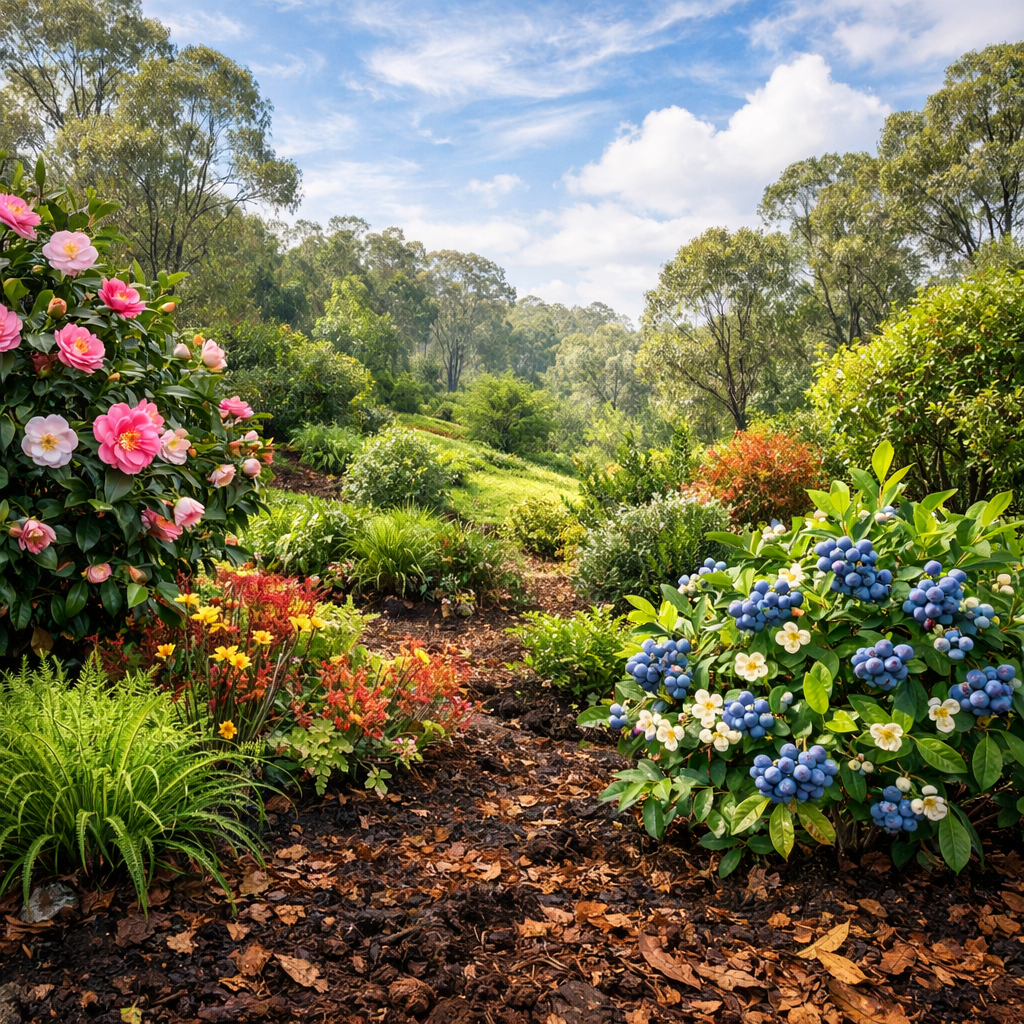
- Acid-loving plants such as camellias, blueberries, and many natives thrive in lower pH conditions.
- Neutral-loving vegetables perform best when pH hovers close to 6–7, where nutrients are most available.
Working with your soil’s natural inclination reduces effort and increases success. It is gardening with the grain, rather than against it.
Maintaining Balanced Soil pH Year-Round
Balance is not a one-time achievement. It is a continuous dialogue.
- Add organic matter regularly to buffer pH fluctuations
- Avoid overuse of synthetic fertilisers, which can acidify soil over time
- Monitor after heavy rainfall, as leaching can shift pH downward
- Test annually to stay ahead of imbalances
Healthy soil is dynamic — constantly shifting, constantly evolving. Stewardship means staying attentive to these subtle changes.
Conclusion
Soil pH may be invisible, but its influence is profound. It dictates what plants can access, how roots grow, and how life unfolds beneath the surface.
In South East Queensland, where soils often lean acidic and climates test resilience, balancing pH is not just a technical task — it is an act of cultivation at the most fundamental level.
Master the chemistry beneath your feet, and everything above it begins to thrive.